
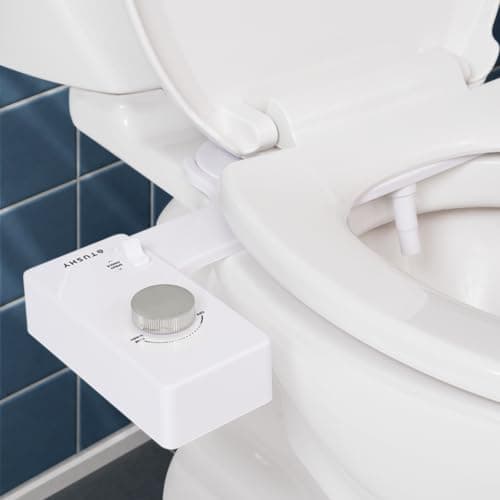
Best bidet attachment
The best bidet attachments
Attachments ranked on published install time, nozzles and fittings — plus one whose maker will not publish what it does.
Top pick: TUSHY Classic 3.0 Bidet Attachment
The cheapest bidet costs about as much as a takeaway and fits in under ten minutes. The most expensive needs an outlet you may not have. Everything interesting in this category happens between those two facts.
The short version
Best bidet attachment
Attachments ranked on published install time, nozzles and fittings — plus one whose maker will not publish what it does.
Top pick: TUSHY Classic 3.0 Bidet Attachment
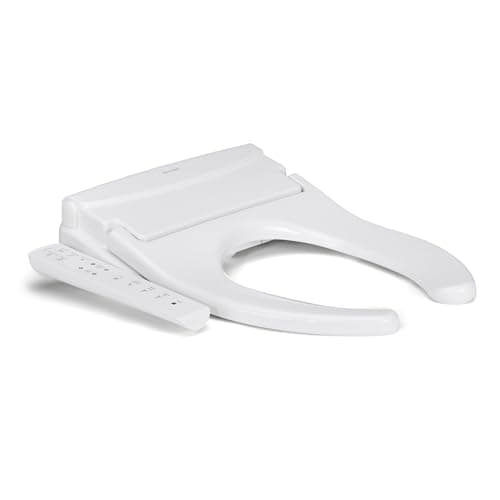
Best bidet toilet seat
Electric and non-electric seats compared on published heating type, cord length and profile — measure your outlet first.
Top pick: Brondell Swash Thinline T22 Bidet Toilet Seat
Best bidet for renters
Bidets that install and uninstall in minutes, rated on published fittings — for bathrooms you do not own.
Top pick: TUSHY Classic 3.0 Bidet Attachment
Best budget bidet
The budget end of the category, ranked on what each maker will actually publish about the thing you are buying.
Top pick: TUSHY Classic 3.0 Bidet Attachment
Best heated seat
Heated seats ranked on published heat levels, water heating type and the cord length that decides whether they fit.
Top pick: Brondell Swash Thinline T22 Bidet Toilet Seat
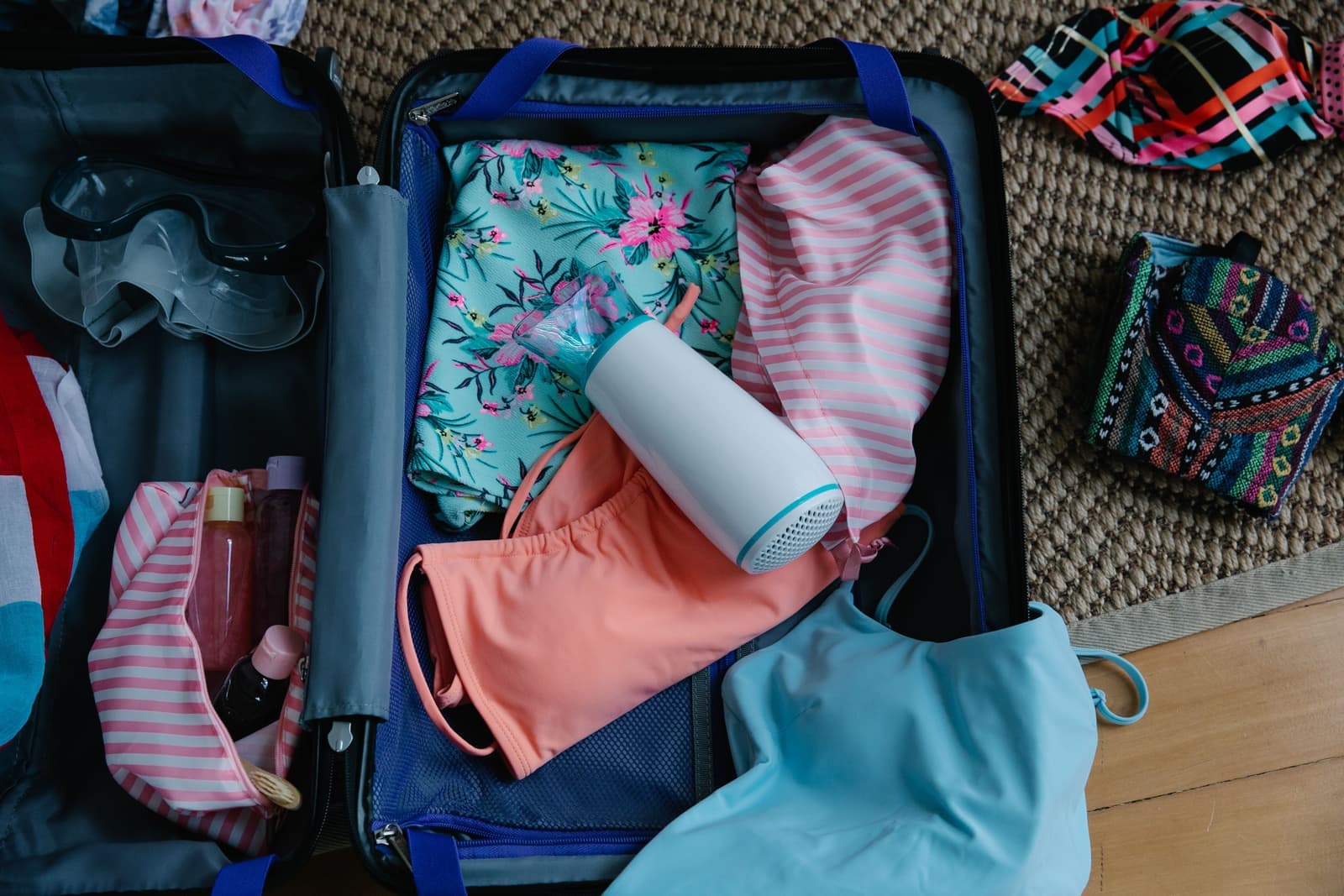
Best portable bidet
The one sourceable travel bidet, and the fixed alternatives worth considering at the same money.
Top pick: Bio Bidet HD-1000 Travel Bidet
Best for round bowls
Bidets whose makers publish a round-bowl fit, plus the thirty-second measurement that settles it.
Top pick: TUSHY Classic 3.0 Bidet Attachment
Head to head
The attachment-versus-seat decision, settled by the outlet question — with the published specs that matter for each.
Top pick: TUSHY Classic 3.0 Bidet Attachment
Head to head
What a bidet really changes about paper use, cost and plumbing — and where we refuse to repeat the health claims.
Top pick: TUSHY Classic 3.0 Bidet Attachment
Head to head
How each type produces warm water, what the electricity actually buys, and which fits a bathroom with no outlet.
Top pick: Brondell Swash Thinline T22 Bidet Toilet Seat
How to
Seven steps, one screwdriver, about ten minutes — including where the T-valve goes and where it definitely does not.
Top pick: TUSHY Classic 3.0 Bidet Attachment
Plain English
Which bidets need a plug, which do not, and why the published cord lengths decide what you can buy.
Top pick: Brondell SimpleSpa Thinline Essential Bidet Attachment
What it costs
The real cost of a bidet: live prices, why the install is free, and the three extras nobody puts on the box.
Top pick: LUXE Bidet NEO 120
Plain English
What a bidet is and how it works, in plain language, with the health claims left where they belong.
Top pick: TUSHY Classic 3.0 Bidet Attachment
Worth it?
What the extra money over an attachment actually buys — and the three situations where it is clearly worth it.
Top pick: Brondell Swash Thinline T22 Bidet Toilet Seat
Best for limited mobility
Bidets judged on control reach, grip demands and published dimensions rather than wash features.
Top pick: Brondell Swash SE400 Bidet Toilet Seat
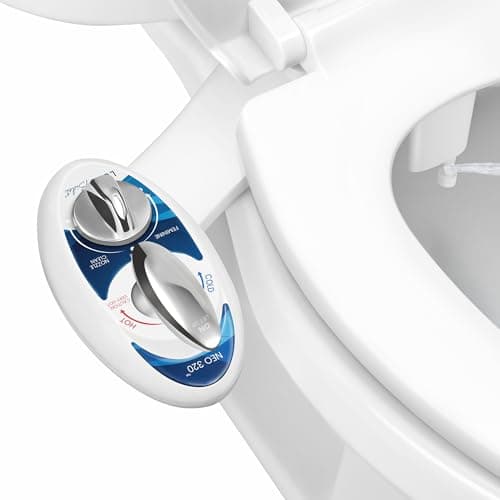
Best warm water, no outlet
Non-electric bidets that deliver warm water by borrowing the basin's hot supply — and the near-identical cold one.
Top pick: LUXE Bidet NEO 320
How to
What self-cleaning does and does not do, the manual clean in five minutes, and the hard-water problem.
Top pick: LUXE Bidet NEO 320
How to
The four joints on a bidet install, how to tell which is leaking, and the fix for each.
Top pick: Brondell SimpleSpa Thinline Essential Bidet Attachment
Best bidet for elongated bowls
Bidet attachments and seats with published elongated fit, plus the one measurement that decides which you can buy.
Top pick: TUSHY Classic 3.0 Bidet Attachment
Best bidet with a dryer
Bidet seats with published warm air dryers, what the controls actually offer, and the honest limits of the feature.
Top pick: Brondell Swash Thinline T22 Bidet Toilet Seat
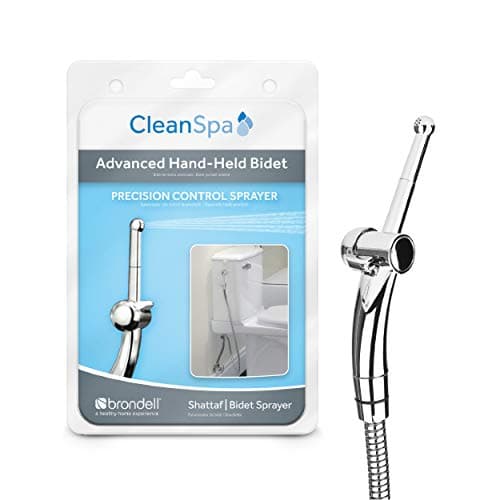
Best bidet sprayer
Hand-held bidet sprayers compared on where the pressure control sits, how the holster mounts, and the hose.
Top pick: CleanSpa Advanced Hand-Held Bidet Sprayer
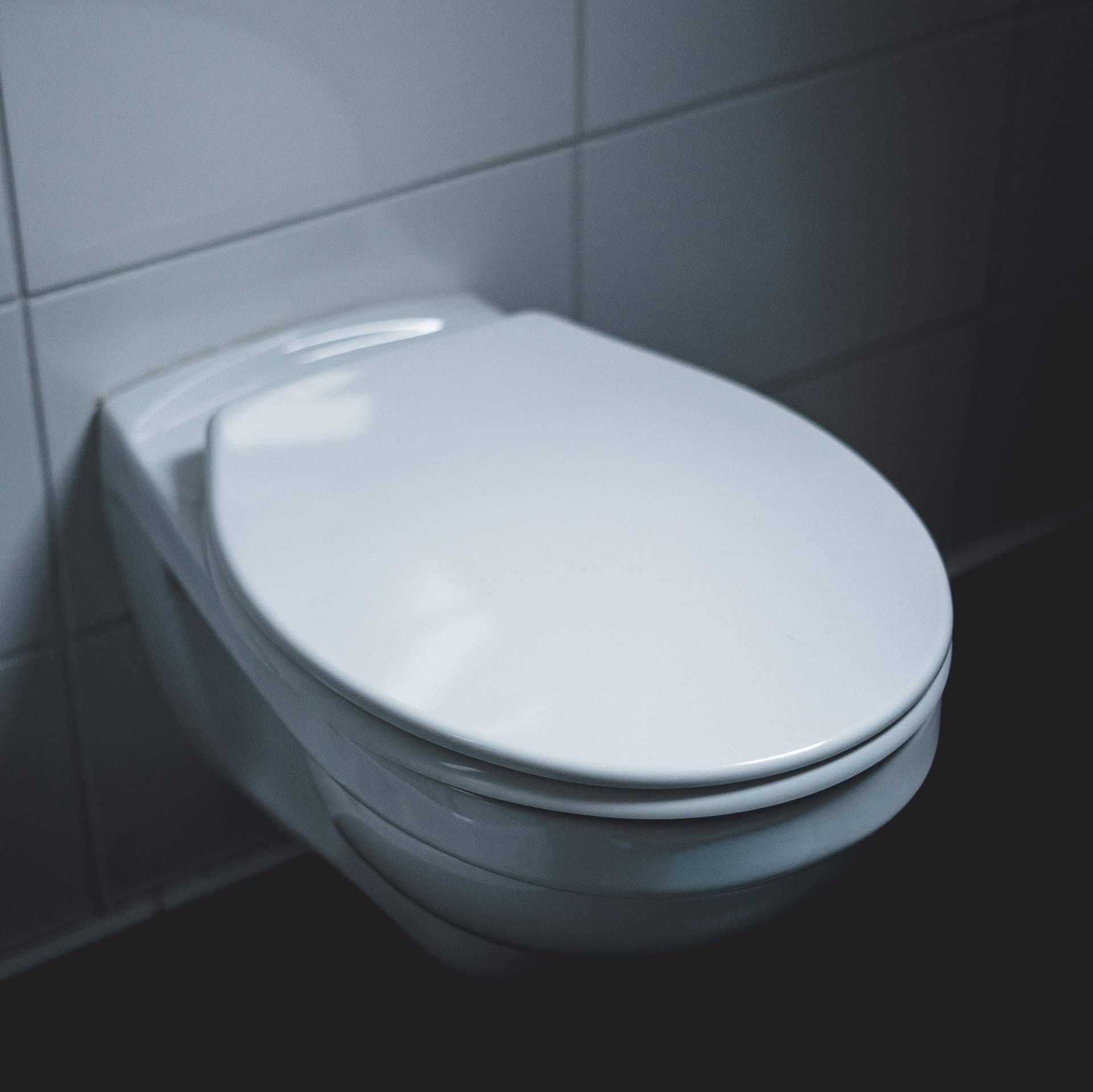
Best toilet seat
Plain seats ranked on quick-release cleaning, quiet-close, top-mount fixing and published dimensions.
Top pick: Cachet ReadyLatch Quiet-Close Elongated Toilet Seat
Head to head
TUSHY Classic 3.0 against the LUXE NEO 120 and 320, compared on published fit, install, nozzles, warm water and warranty.
Top pick: TUSHY Classic 3.0 Bidet Attachment
Head to head
Hand-held sprayers against under-seat attachments, compared on control, hands-free use, mobility and installation.
Top pick: TUSHY Classic 3.0 Bidet Attachment
Plain English
How the damping hinge works, why soft-close seats fail, and which seats publish gentle-close as a feature.
Top pick: Brondell Swash EcoSeat S102 Non-Electric Bidet Seat
How to
Diagnosing a soft-close failure, tightening the mounting properly, and knowing when the damper is finished.
Top pick: Brondell Swash EcoSeat S101 Non-Electric Bidet Seat
How to
The three measurements that decide fit, dealing with seized bolts, and fitting a new seat square.
Top pick: Brondell Swash EcoSeat S101 Non-Electric Bidet Seat
Plain English
What the smart label actually covers, which features need what, and the specifications makers do not publish.
Top pick: Brondell Swash Thinline T22 Bidet Toilet Seat
Head to head
TOTO's Washlet C5 against Brondell's Swash SE600 and SE400, on the specifications each maker actually publishes.
Top pick: WASHLET C5 Bidet Toilet Seat, Elongated
Best raised toilet seat
Tool-free raised toilet seats compared on height added, locking, arm spacing, weight capacity and fit.
Top pick: PreserveTech Secure Lock Raised Toilet Seat
Best potty training seat
Toilet seats with an integrated child seat compared on fit, closing, cleaning and the nightlight option.
Top pick: Transitions Quiet-Close Elongated Toilet Seat
Worth it?
When a heated seat earns its place, why the cord length decides it, and why nobody can tell you what it costs to run.
Top pick: Brondell Swash Thinline T22 Bidet Toilet Seat

Worth it?
When a travel bidet earns its place, what 450 ml really means in use, and the fixed alternatives at similar money.
Top pick: Bio Bidet HD-1000 Travel Bidet
Worth it?
The C5 judged on TOTO's published figures: 403 W, spray volumes, seat and water temperatures, cord length, and the fit warning buried in the install notes.
Top pick: WASHLET C5 Bidet Toilet Seat, Elongated
Head to head
The Brondell SimpleSpa Thinline SS-150 against the TUSHY Classic 3.0 on profile, fittings, nozzle, published fit and warranty.
Top pick: Brondell SimpleSpa Thinline Essential Bidet Attachment
Worth it?
The Classic 3.0 judged on TUSHY's own numbers: 95% fit, 8.5-minute install, 16 x 9 x 3.5 in., one-year warranty, and the specs it leaves blank.
Top pick: TUSHY Classic 3.0 Bidet Attachment
What it costs
What a heated bidet seat costs to run, worked from TOTO's published 403 W — and the brands that publish no wattage at all.
Top pick: WASHLET C5 Bidet Toilet Seat, Elongated
How to
The six features that decide a first bidet, what each brand publishes about them, and which product does each one best.
Top pick: Brondell SimpleSpa Thinline Essential Bidet Attachment
Plain English
WASHLET is TOTO's trademark for its bidet seats. What the name covers, the published specs behind it, and the cheaper routes to the same job.
Top pick: WASHLET C5 Bidet Toilet Seat, Elongated
Almost everyone arriving in this category thinks the question is “which bidet”. It is not. The question is “attachment or seat”, and once you have answered it the shortlist is short and the price range is narrow.
An attachment is a slim plate that sits between your toilet bowl and the seat you already have. It draws cold water from the toilet’s own tank fill line via a T-valve, which is why it needs no electricity and no new plumbing. Brondell publishes its SimpleSpa Thinline at a 0.2-inch profile and 0.6 lbs; TUSHY publishes 2 lbs and a nine-minute fit. This is the category’s entry point and, for most people, its endpoint too.
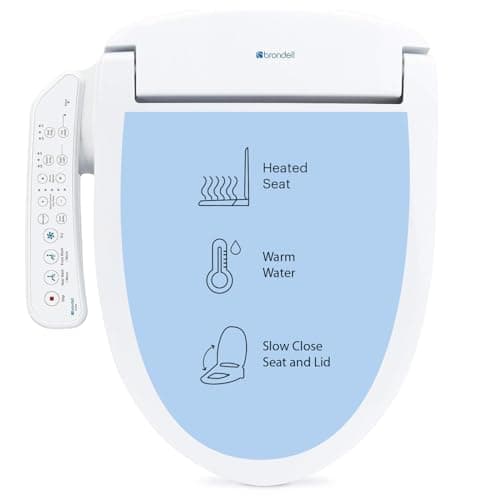
A seat replaces the toilet seat entirely on the same two bolt holes. That buys you room for electronics: a heated seat, a warm-air dryer, a tank or ceramic water heater, a nightlight. Brondell publishes the SE600 with a “tank heating system” and a “rust-resistant stainless steel nozzle”. It also, being electric, needs a plug.
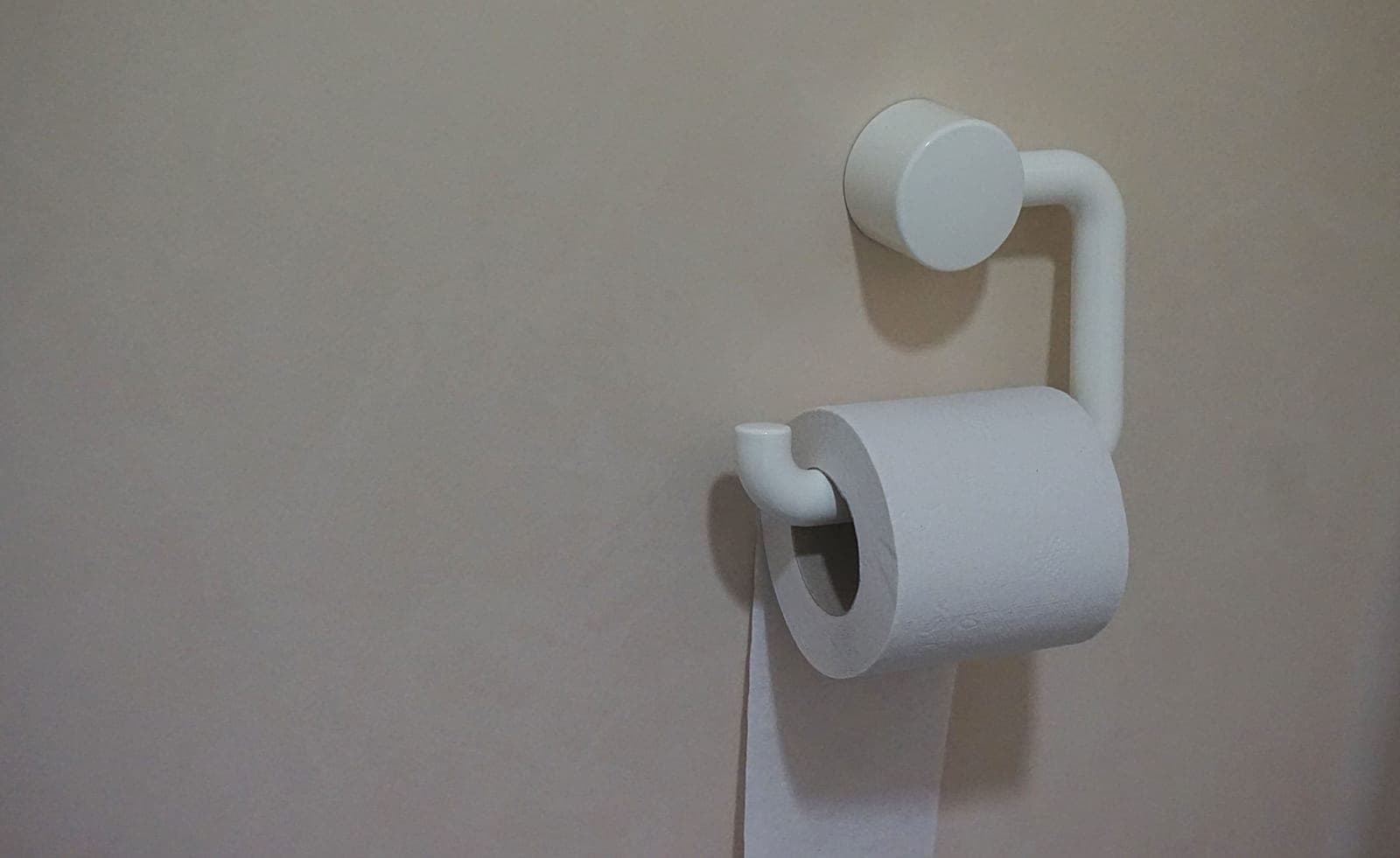
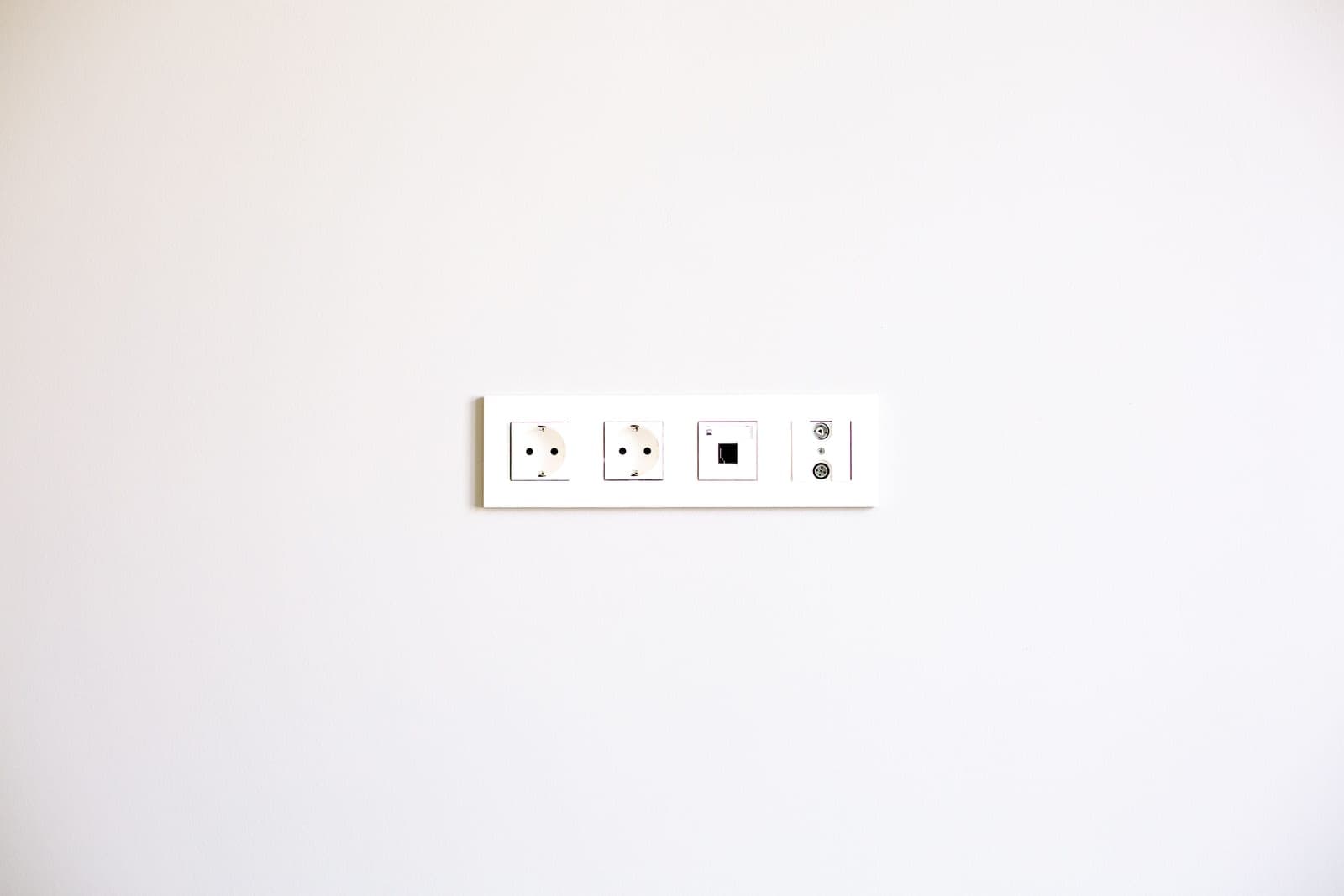
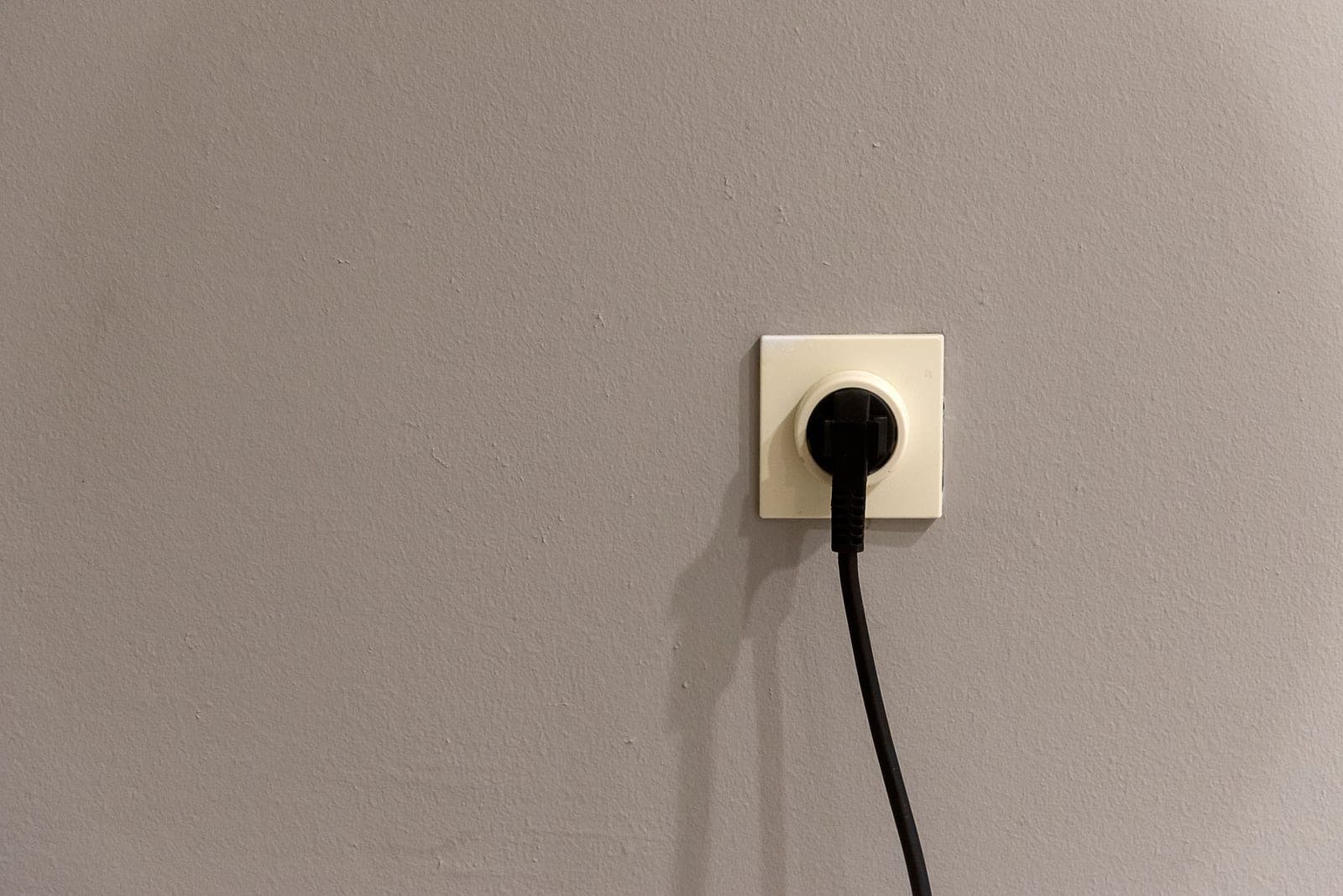
This is the single most useful thing to know before you spend anything. American bathrooms built before the 1970s frequently have no outlet near the toilet at all, and the ones that do are usually by the basin. An electric seat with a cord that will not reach is an expensive returned parcel.
Go and look now, before you shop. Stand at the toilet and find the nearest outlet. If there is one within about four feet, electric seats are open to you. If there is not, you have three honest options: a non-electric attachment, a non-electric seat like Brondell’s EcoSeat, or a conversation with a landlord or electrician. Adding an outlet in a bathroom is not a weekend job — it is a permit-and-GFCI job — which puts it firmly outside what this site is for. The full version of this argument is in does a bidet need electricity.
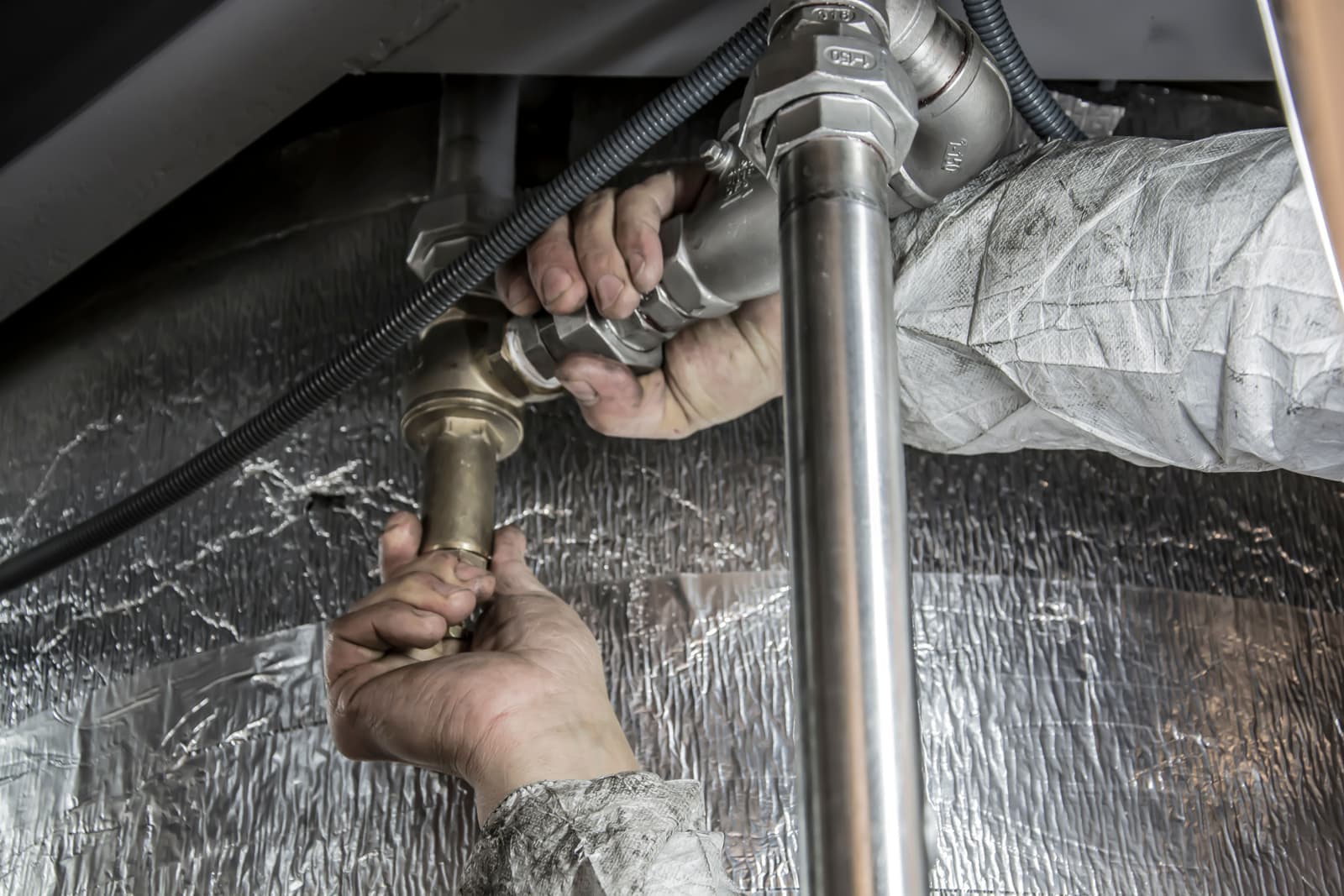
A handful of products — LUXE’s NEO 320, Brondell’s EcoSeat S102 — offer warm water with no power at all. They do it by running a second hose to the hot supply under your basin, and mixing. Brondell describes exactly that: “warm and cool water wash” with the temperature taken from the sink’s hot supply.
It works, and it is still a compression fitting rather than a cut pipe. But it is a second connection in a second place, and it is the reason those two products score Ask first rather than Safe on our install rating. Cold-water attachments score Safe because there is exactly one connection and it is on the toilet itself.
Almost nothing, if you fit it yourself, and that is the point of this whole hub. A mechanical attachment is a screwdriver job that manufacturers themselves publish in minutes rather than hours. The costs that catch people out are the ones nobody lists on the box: a longer supply hose if your shut-off valve is awkwardly placed, and the fact that a seat replacement needs you to actually get the old seat’s bolts off, which on a fifteen-year-old toilet can be its own small adventure.
We break the numbers down in how much does a bidet cost, using live prices rather than remembered ones.
Bidet marketing makes a lot of health claims, and the independent evidence behind them is thinner than the copy suggests. We do not repeat those claims in our own voice. Where a question in this category is medical — and several of the most-searched ones are — we either cite a named source or say plainly that the evidence is mixed. That rule is written down in how we research and it is not negotiable, because the alternative is a buying guide quietly practicing medicine.
Not usually. Mechanical bidet attachments and non-electric seats run entirely on the water pressure already in your toilet's fill line, and manufacturers publish this plainly: Brondell describes the SimpleSpa as powered by water pressure alone, no batteries or electricity required. You only need an outlet for heated seats, warm-air dryers, and instant water heaters.
Yes, if the toilet's shut-off valve turns and the seat bolts come off. A mechanical attachment goes between the bowl and the existing seat and tees off the tank fill line with a supplied T-valve. TUSHY publishes an install of eight and a half minutes or less on most standard toilets using a basic screwdriver.
It sprays a directed stream of water to clean you after using the toilet, replacing or reducing toilet paper. An attachment sprays cold water from the toilet's own supply; a warm-water model either mixes in hot water from the basin or heats it electrically.
It depends entirely on whether you have an outlet near the toilet. If you do, a seat adds warm water, a heated seat and often a dryer for several times the price of an attachment. If you do not, an attachment gets you most of the daily benefit for a fraction of the money and none of the wiring.