
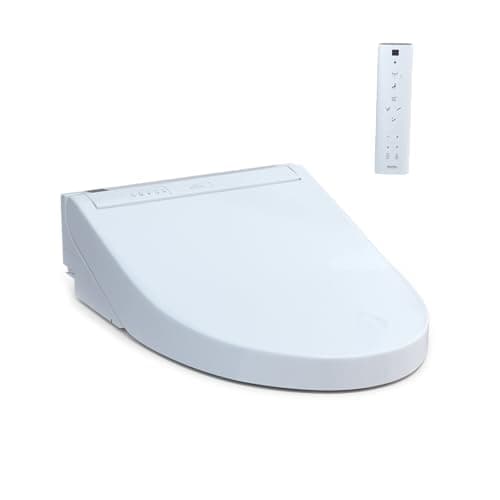
Best luxury bathroom gift
The best luxury bathroom gifts
Five luxury bathroom gifts from $150 up, ranked on published specs and warranty, with live prices and the expensive one to avoid.
Top pick: WASHLET C5 Bidet Toilet Seat, Elongated
This is the category where nobody tells you the running cost, so we worked it out. Every wattage on this hub is turned into cents per day using a published, dated electricity rate.
The short version
Best luxury bathroom gift
Five luxury bathroom gifts from $150 up, ranked on published specs and warranty, with live prices and the expensive one to avoid.
Top pick: WASHLET C5 Bidet Toilet Seat, Elongated
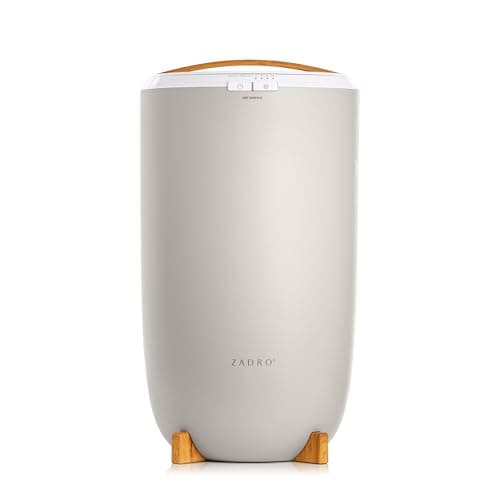
Best towel warmer for a hot tub deck
What a hot tub deck can actually use: portable plug-in towel warmers, the published safety limits, and the type that must stay indoors.
Top pick: Zadro 20-Liter Towel Warmer Bucket
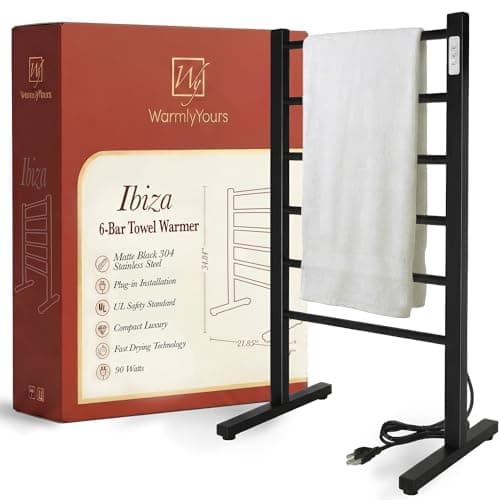
Best towel warmer
Freestanding rails, buckets and one wall-mounted option, with every published wattage turned into cents a day.
Top pick: WarmlyYours Ibiza Freestanding Towel Warmer
Best towel warmer bucket
Bucket warmers compared on published wattage, timers and safety certification — and one that publishes almost nothing.
Top pick: Zadro 20-Liter Towel Warmer Bucket
Best renter-friendly heater
Plug-in ways to warm a cold bathroom, with running costs in cents and a hard look at bathroom safety ratings.
Top pick: Lasko 8″ Bathroom Ceramic Heater with ALCI Plug
Best heated rack
Freestanding and wall-mounted racks with published wattage turned into cents a day — and which ones need a drill.
Top pick: WarmlyYours Barcelona Freestanding Towel Warmer
Head to head
Hot towel on demand versus permanently warm and dry towels — the published wattages and what each format really solves.
Top pick: Zadro 20-Liter Towel Warmer Bucket

Worth it?
The verdict, with the watts-to-cents arithmetic that nobody else in this category publishes.
Top pick: WarmlyYours Ibiza Freestanding Towel Warmer
What it costs
Running costs in cents a day from published wattages, plus install costs and the timer that changes everything.
Top pick: WarmlyYours Palma Wall-Mounted Plug-In Towel Warmer
How to
Certification, surface temperature, connection type and placement — the four checks, and who publishes what.
Top pick: WarmlyYours Ibiza Freestanding Towel Warmer
Plain English
The three formats explained plainly, what the wattage tells you, and what a towel warmer will not do.
Top pick: WarmlyYours Ibiza Freestanding Towel Warmer
Head to head
The connection decision: no electrician and a visible cord, or a clean wall and a professional install.
Top pick: WarmlyYours Ibiza Freestanding Towel Warmer

How to
The handful of habits that separate a towel warmer that works from one that costs twelve times as much and smells.
Top pick: WarmlyYours Ibiza Freestanding Towel Warmer
Best for a small bathroom
Towel warmers ranked by published footprint, for bathrooms where floor space is the binding constraint.
Top pick: WarmlyYours Palma Wall-Mounted Plug-In Towel Warmer

Plain English
Why no maker publishes a warm-up time, what wattage and format imply instead, and how to use a timer.
Top pick: Zadro 20-Liter Towel Warmer Bucket
Plain English
What certification and temperature caps actually permit, the annual cost of leaving one on, and why buckets are different.
Top pick: WarmlyYours Ibiza Freestanding Towel Warmer
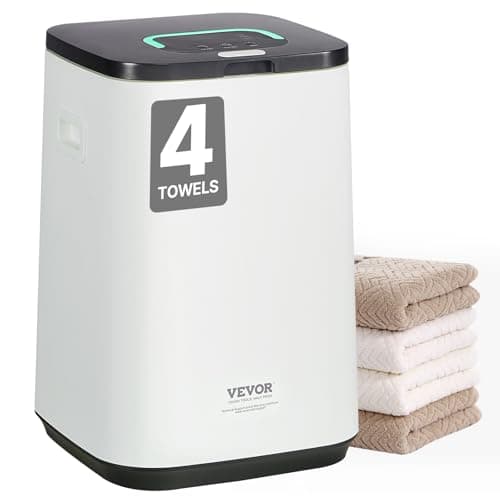
Best timed towel warmer
Which towel warmers publish a timer and auto shut-off, which need a plug-in timer, and what each costs to run.
Top pick: VEVOR 20-Liter Towel Warmer Bucket
Best warmer for bath sheets
Rails with published bar counts and dimensions for bath sheets and robes, plus why buckets cannot do this job.
Top pick: WarmlyYours Barcelona Freestanding Towel Warmer
Plain English
What an ALCI plug is, why it decides this category, and how to tell a bathroom heater from a bedroom one.
Top pick: Lasko 8″ Bathroom Ceramic Heater with ALCI Plug
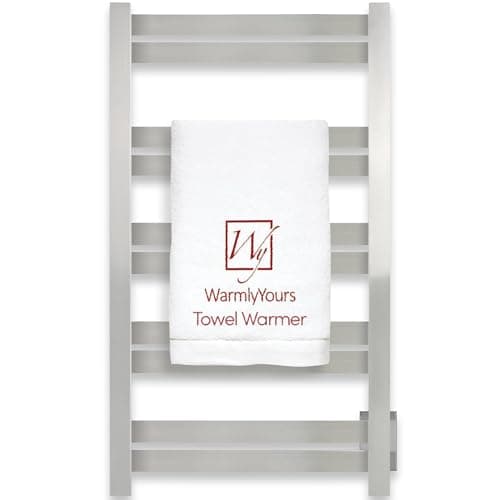
Best hardwired towel warmer
Hardwired towel warmers compared on published watts, surface temperature, bars and warranty, with running costs.
Top pick: Grande 10 Towel Warmer, Brushed, Hardwired, 10 Bars
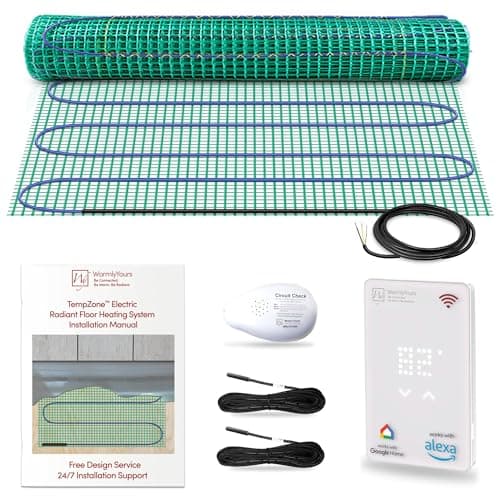
Best heated floor mat
Electric floor-heating mats for bathrooms compared on published watts per square foot, flooring, warranty and cost per hour.
Top pick: TempZone Easy Mat, 120V, 3 x 6 ft
Head to head
Towel warmers and heated floors compared on what they warm, what they cost to run and what installing them involves.
Top pick: Grande 10 Towel Warmer, Brushed, Hardwired, 10 Bars

Worth it?
A straight verdict on heated bathroom floors, with the running cost worked from published watts and the one condition that decides it.
Top pick: TempZone Easy Mat, 120V, 3 x 6 ft
Head to head
Freestanding and wall-mounted towel warmers compared on published wattage, size, capacity, running cost, temperature caps and what a renter can fit.
Top pick: WarmlyYours Ibiza Freestanding Towel Warmer
How to
Match bar count and footprint to the towels you actually own, using published dimensions, capacities and wattages.
Top pick: WarmlyYours Palma Wall-Mounted Plug-In Towel Warmer
Head to head
Water-fed rails against electric ones: what each needs installed, the running cost you can calculate, and the one you can actually buy.
Top pick: WarmlyYours Ibiza Freestanding Towel Warmer
Head to head
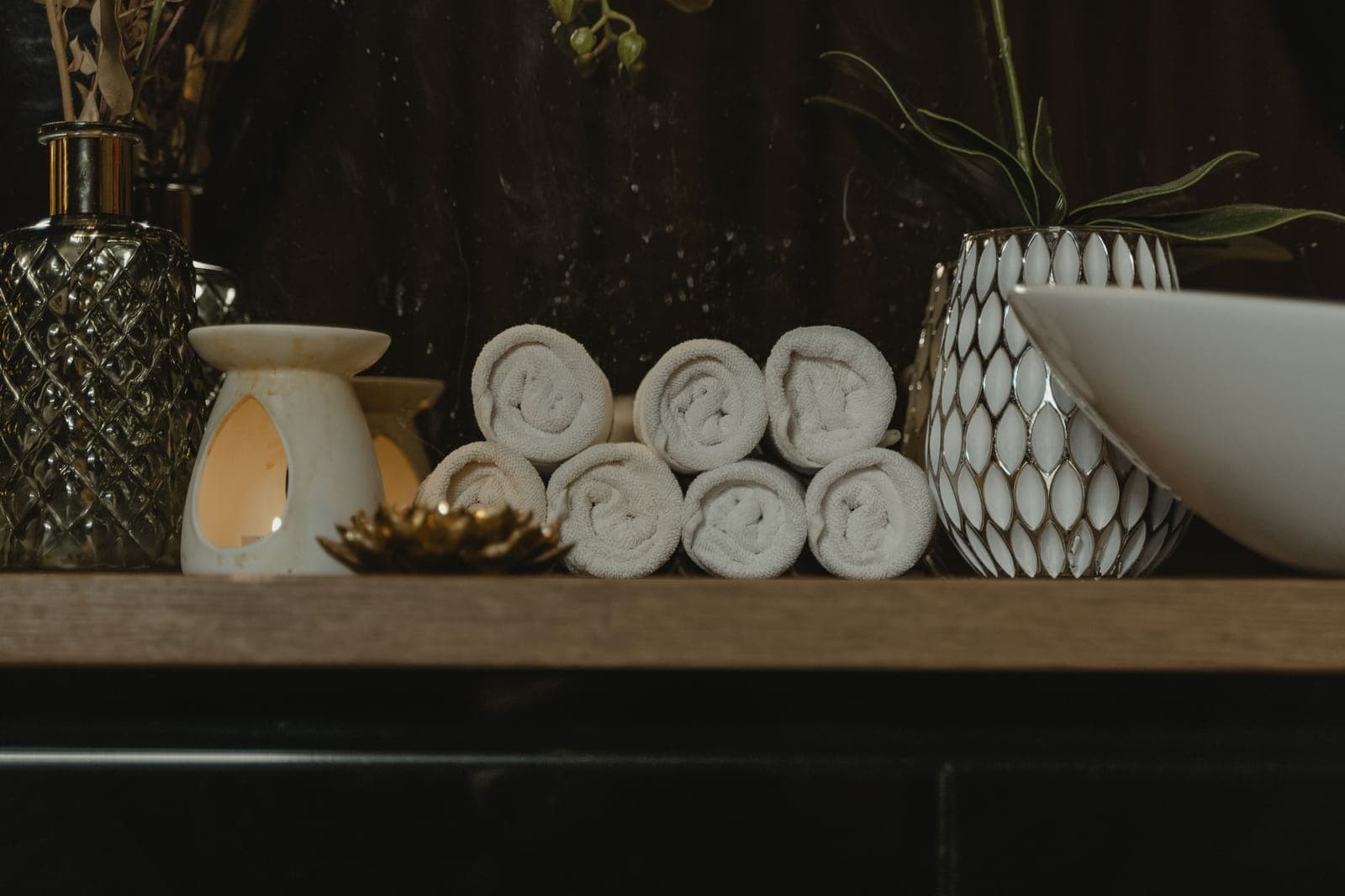
Two 20-liter towel warmer buckets compared on published wattage, timer steps, safety features, footprint and running cost.
Top pick: Zadro 20-Liter Towel Warmer Bucket
Plain English
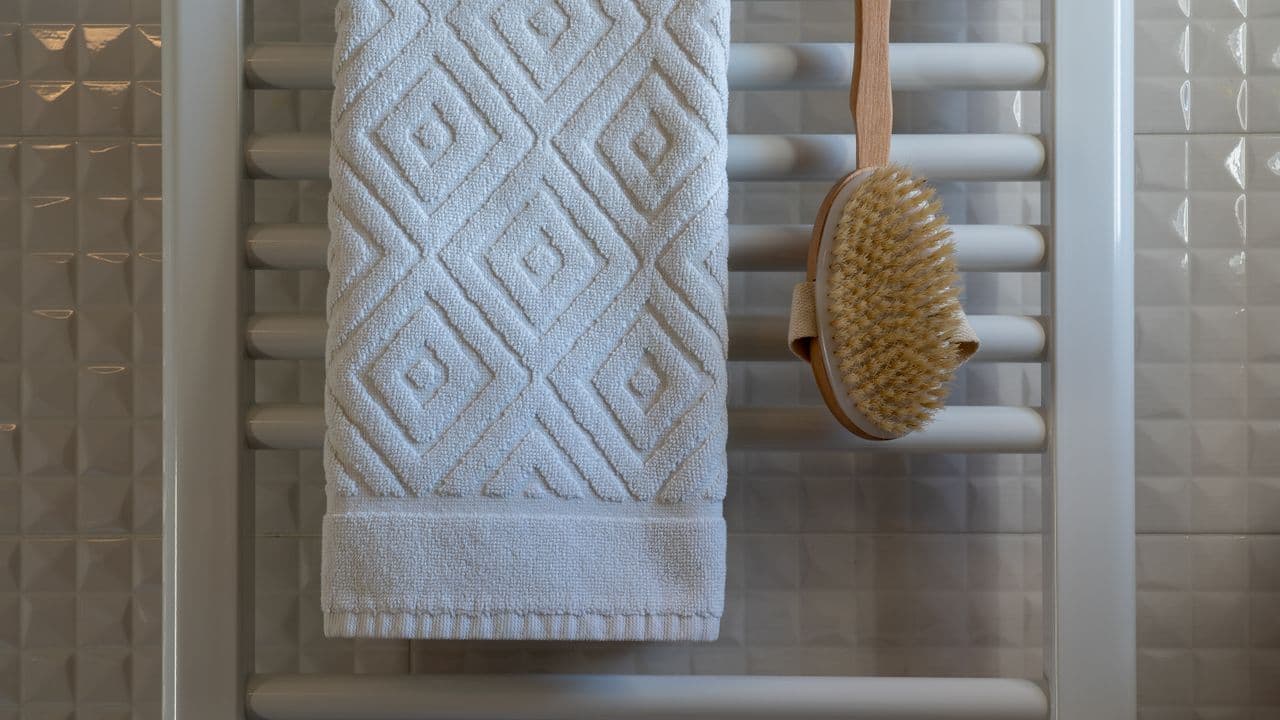
The mechanism behind a heated towel rail, explained from published wattage, Btu output and surface temperature figures.
Top pick: WarmlyYours Ibiza Freestanding Towel Warmer

Plain English
The published surface temperatures of heated towel rails and buckets, and what the 122°F average and 149-167°F cutout each describe.
Top pick: WarmlyYours Ibiza Freestanding Towel Warmer
Worth it?
The WarmlyYours Ibiza judged on published figures: 90 W, 307 Btu an hour, six 304-stainless bars, a normal plug and about $12 a year to run.
Top pick: WarmlyYours Ibiza Freestanding Towel Warmer
Best freestanding towel warmer
Floor-standing heated towel rails compared on published wattage, bar count, footprint, cord length and running cost — no drilling, no electrician.
Top pick: WarmlyYours Ibiza Freestanding Towel Warmer

How to
Why bathrooms run cold and the four fixes that work, with published wattages, running costs and what each needs from your wiring.
Top pick: Lasko 8″ Bathroom Ceramic Heater with ALCI Plug
Worth it?
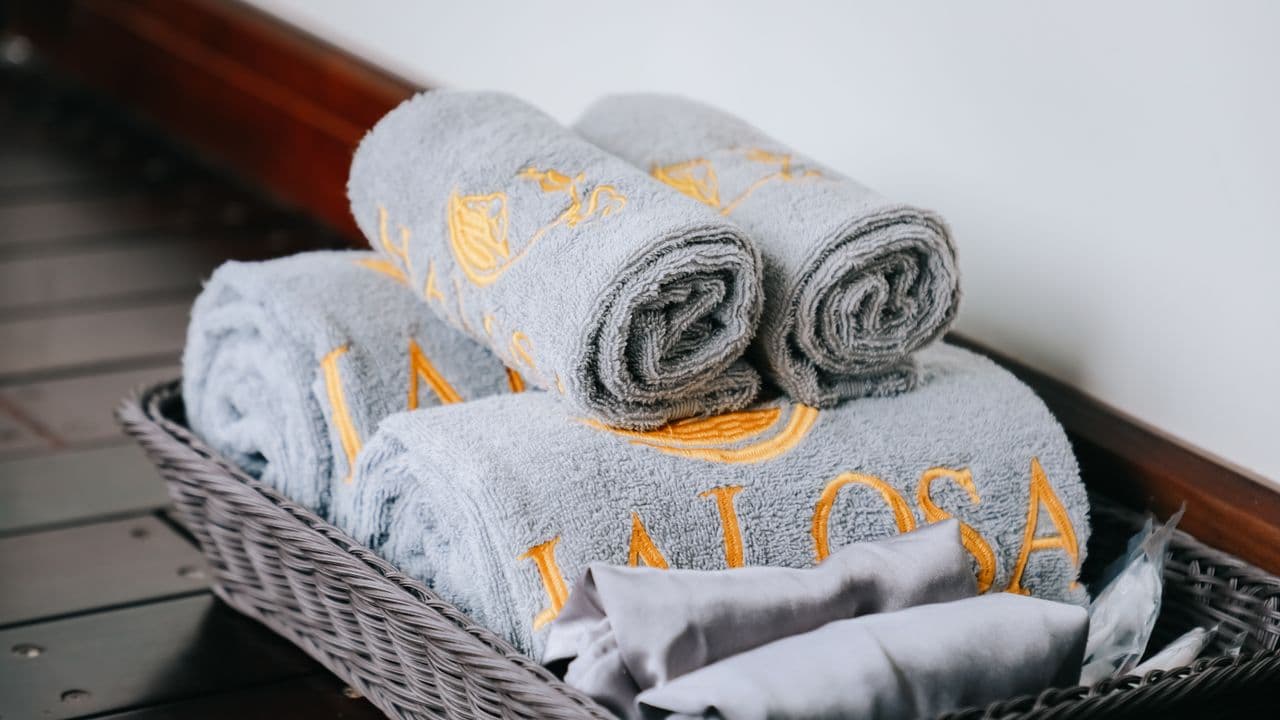
Whether a towel warmer makes a good gift, which format to give, and the published figures that decide it.
Top pick: VEVOR 20-Liter Towel Warmer Bucket

Most capacity per dollar
A published-spec read on the Brookstone (Pursonic) 23-liter towel warmer bucket, compared against Zadro and VEVOR.
Top pick: Brookstone Luxury Towel Warmer Bucket with LED Display

The only bucket with a published warranty
The PureBliss bucket judged on Pure Enrichment's own numbers: 20 liters, a published towel count, a 5-year warranty, and five blank specifications.
Top pick: PureBliss Luxury Towel Warmer

Plain English
Whether towel warmers are hygienic: what drying actually achieves, what no manufacturer claims, and the one way to use one badly.
Top pick: WarmlyYours Barcelona Freestanding Towel Warmer
“Towel warmer” covers three things that behave completely differently, and most of the disappointment in this category comes from buying the wrong one of the three.
A bucket is an insulated tub with a heating element that you stuff a towel into. Zadro publishes 20 liters and a 480 W maximum; VEVOR publishes 20 liters with a 20/40/60-minute timer and a child lock. It is the cheapest entry, it warms one or two towels properly rather than gently, and it takes up floor space. Brookstone publishes “rapid heating in just 1 minute” for its version, which tells you the category is designed around a short, hot cycle rather than continuous warmth.
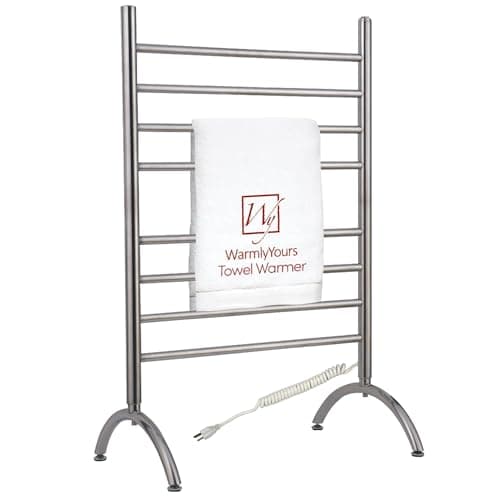
A freestanding rail is a ladder of heated bars on feet, with a plug on the end. WarmlyYours publishes its Ibiza at 90 W, 307 BTU/hr, six bars, 304-stainless, on a NEMA 5-15 plug — and, crucially, freestanding, so no drilling. This is the format renters should care about most.
A wall-mounted rail is the same ladder screwed to the wall. WarmlyYours publishes its Palma at 60 W and ships it with a “installation manual and hardware kit”, which is a polite way of saying anchors in your tile. It looks better than everything else here and it is the one format we cannot recommend to a renter.
Search this category and you will find a hundred pages telling you a towel warmer is “energy efficient” and not one telling you what it costs. The sum is not hard, so here it is in general form, and every product page on this hub shows its own version with the inputs on display.
Watts × hours ÷ 1,000 × price per kWh = dollars. At the US residential average of 18.34 cents per kWh (EIA, June 2026), a 90 W rail run for two hours a day is 90 × 2 ÷ 1,000 × $0.1834 = about three cents a day. The same rail left on all the time is twelve times that. A 1500 W bathroom heater run for a quarter of an hour while you shower is about seven cents.
Two things fall out of that. First, the running cost of a towel warmer is genuinely trivial — it is not the reason to hesitate. Second, the difference between a timer and no timer is the entire cost of ownership. A cheap plug-in timer is the best accessory in this category by a distance. The long version is in heated towel rack cost.
A towel warmer warms towels. Manufacturers are careful never to quite claim it heats the room, and they are right not to: 90 W is a light bulb’s worth of heat in a tiled space with an extractor fan in it.
If the actual problem is that your bathroom is cold, the product you want is a heater with a bathroom safety rating. Lasko publishes exactly that for the CD08200 — “an integrated ALCI safety plug, overheat protection, a self-regulating ceramic element, and a cool-touch exterior are designed specifically for bathroom use”. That ALCI plug is the part that matters and the part most cheap heaters do not have. We go through it in renter-friendly bathroom heaters.
Everything on this hub is an electrical appliance in a wet room, so two rules apply and they are not ours — they are the manufacturers’ own. Use the safety device the product ships with rather than defeating it, and do not run an extension lead into a bathroom to make a cord reach. If the cord does not reach the outlet, the honest answer is a different product, not a longer lead.
The published safety features are worth reading before you buy, not after. WarmlyYours publishes “built-in TempSmart overheat protection” limiting surface temperature to 149°F, and lists both its rails as cULus. VEVOR publishes ETL and FCC certification and a child lock. Where a manufacturer does not publish a wattage or a certification — and several here do not — our product pages say so instead of filling the gap in.
We have not plugged any of these in. We cannot tell you how a bucket smells after six months, whether a rail’s finish survives a hard-water bathroom, or how hot a towel really gets on setting two. What we can do is publish the wattage, do the arithmetic in public, show you which safety certifications each manufacturer will actually put in writing, and be straight about which of them publish nothing at all.
For running cost, yes — at the US average of 18.34 cents per kWh, a 90 W freestanding rail on a two-hour timer costs about three cents a day. The thing to weigh is not the electricity but the floor or wall space, and whether you will actually use it after the first month.
An electrically heated rail, bucket or cabinet that warms towels. Rails hold them draped over heated bars and run continuously at low wattage; buckets heat one or two rolled towels quickly in an insulated tub on a timer.
The ones with published certifications are designed to be. Look for a UL or cULus listing, a stated surface-temperature limit, and — for anything you plug in near a bath — a manufacturer that markets it for bathroom use rather than one that stays silent on the subject.
Buckets are the cheapest way in, freestanding rails sit in the middle, and wall-mounted stainless rails are the most expensive. We do not publish remembered prices — every price on this site comes from a live check against Amazon on the day you read it, or the page says so.