
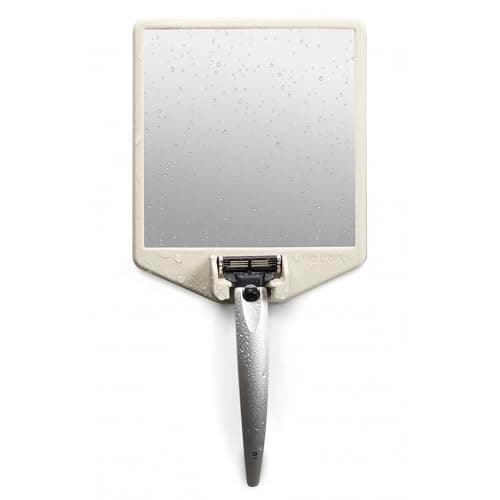
Best bathroom gift for men
The best bathroom gifts for men
Four bathroom gifts for men ranked on published specs and reversibility, with live prices and the one gift to avoid.
Top pick: Tooletries The Joseph Shave Mirror
Everything in this hub attaches to a bathroom without making a hole in it. That is a harder engineering problem than it sounds, and the failures are always the same three mistakes.
The short version
Best bathroom gift for men
Four bathroom gifts for men ranked on published specs and reversibility, with live prices and the one gift to avoid.
Top pick: Tooletries The Joseph Shave Mirror
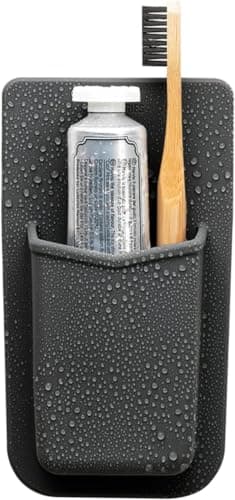
Best bathroom stocking stuffer
Four bathroom stocking stuffers ranked on published specs and reversibility, with live prices and the cheap one to skip.
Top pick: Tooletries The Henry Essentials Holder
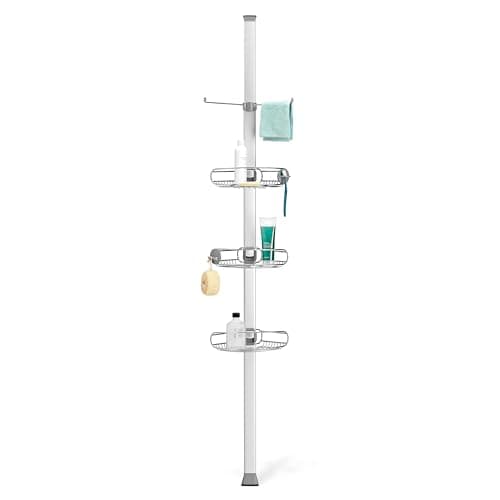
Best no-drill shower caddy
Tension, hanging and silicone-grip caddies compared on published materials and warranty — nothing drilled.
Top pick: simplehuman Tension Shower Caddy, 9 ft
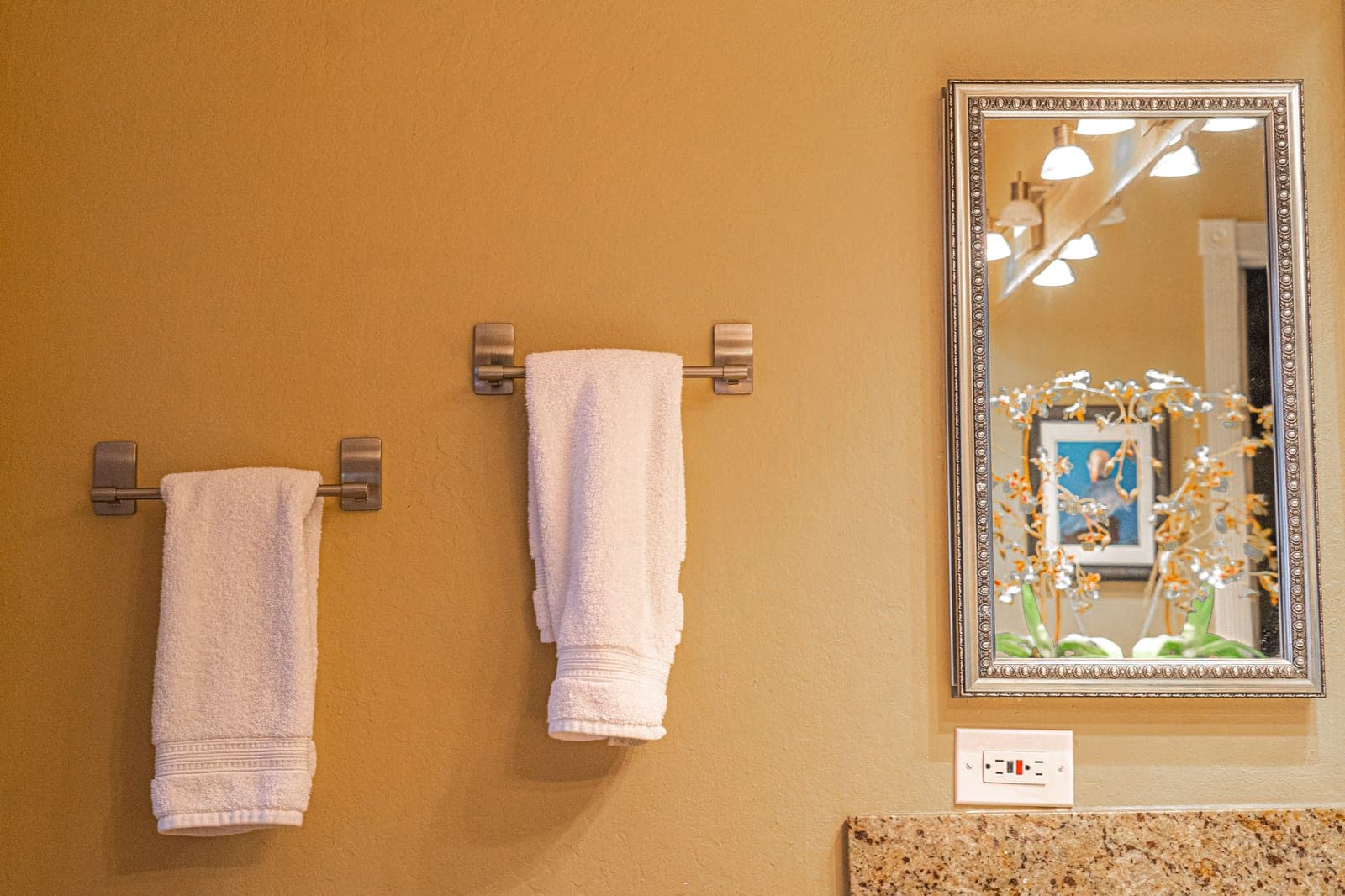
Best no-drill towel bar
No-drill towel storage with published weight ratings — and the cure time that decides whether it stays up.
Top pick: Command Bath Hand Towel Bar
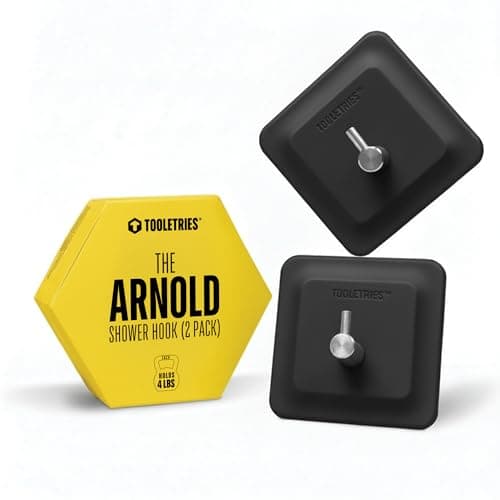
Best adhesive bathroom hook
Adhesive and silicone hooks with published weight ratings and surface rules — plus one that publishes nothing.
Top pick: Tooletries The Arnold Shower Hook
Best no-drill shelf
No-drill shelving compared on mechanism and published materials — plus the one whose mounting method is not published at all.
Top pick: simplehuman Tension Shower Caddy, 9 ft
Best small-space storage
Storage that goes vertical rather than sideways, holds without holes, and comes with you when you move.
Top pick: simplehuman Tension Shower Caddy, 9 ft
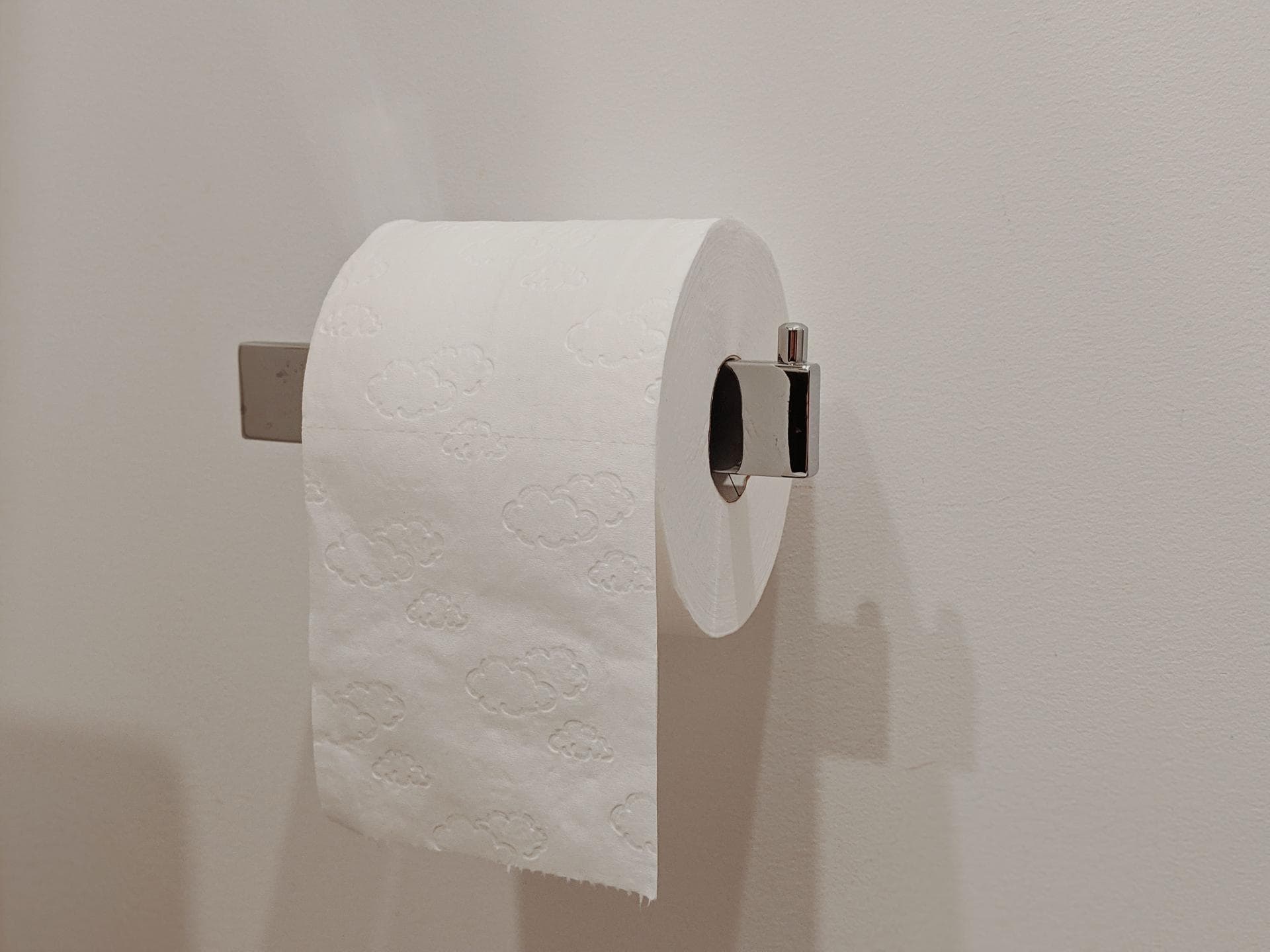
Best no-drill paper holder
The four no-drill mounting formats compared, the standard height nobody measures, and the one holder we can stand behind.
Top pick: Command Bath Toilet Paper Holder
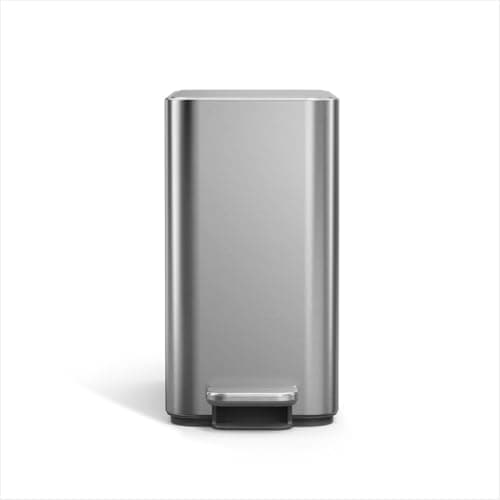
Best bathroom bin
Small-footprint bathroom bins with published capacity, liner codes and warranties, plus the step-versus-open question.
Top pick: 9L Slim Step Trash Can
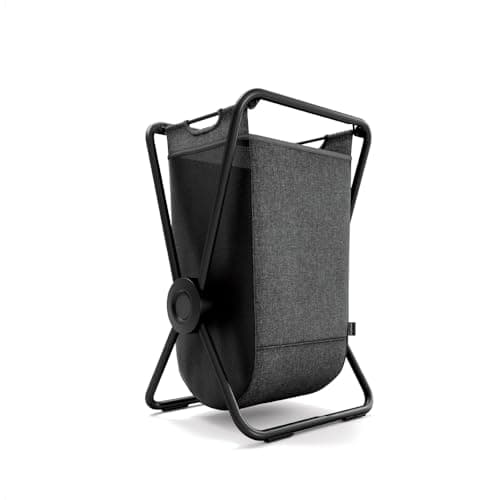
Best bathroom hamper
Hampers that suit a bathroom footprint, with washable bags and published warranties — and the missing dimensions.
Top pick: Single X-Frame Hamper
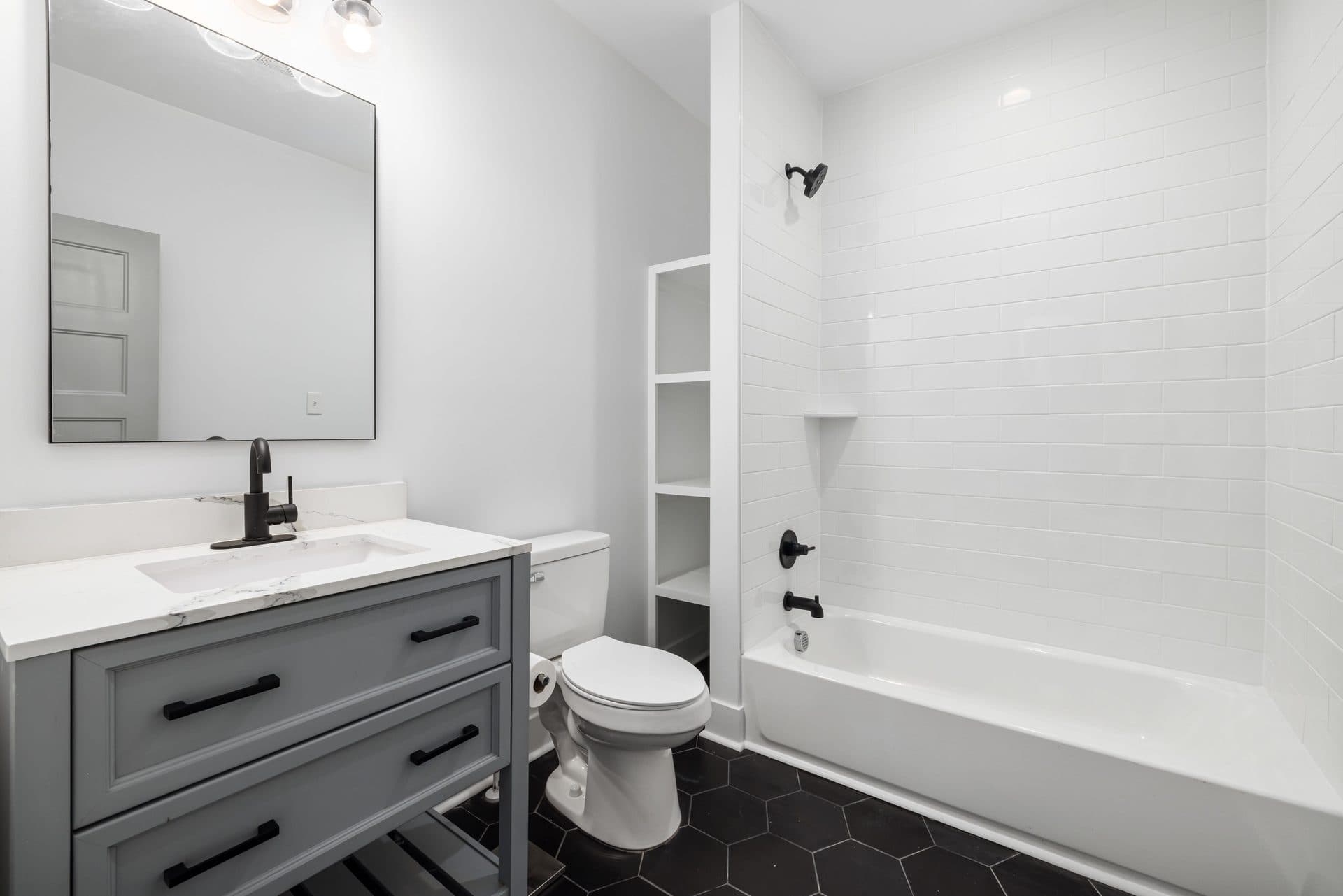
Best over-toilet storage
Over-toilet units with published dimensions and shelf load limits, and why most of this category cannot be ranked.
Top pick: Tower Bathroom Organizer

Best shower bench
Freestanding shower benches with published weight capacity and marine-grade hardware, and why we will not rank the rest.
Top pick: 25 x 14 Heavy Duty Teak Rigid Bench
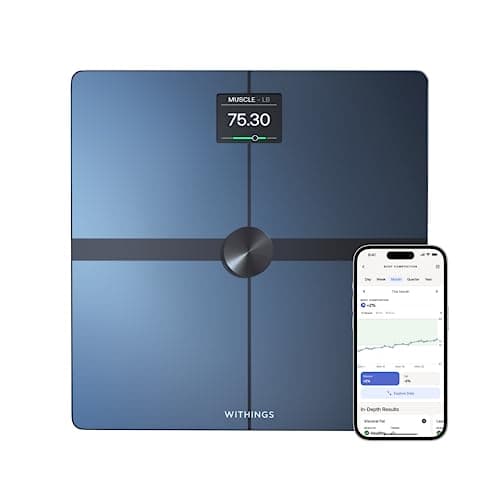
Best bathroom scale
Scales ranked on published weight accuracy, plus an honest read on body-composition metrics and tiled floors.
Top pick: Body Smart Scale
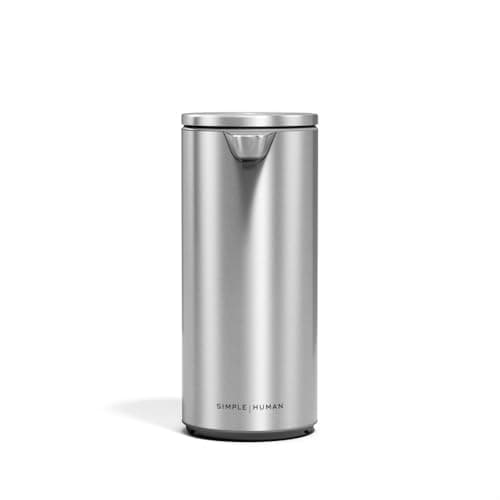
Best soap dispenser
Touch-free soap pumps ranked on published charge life, cycle rating and soap type.
Top pick: Rechargeable Liquid Sensor Pump, 9 oz.
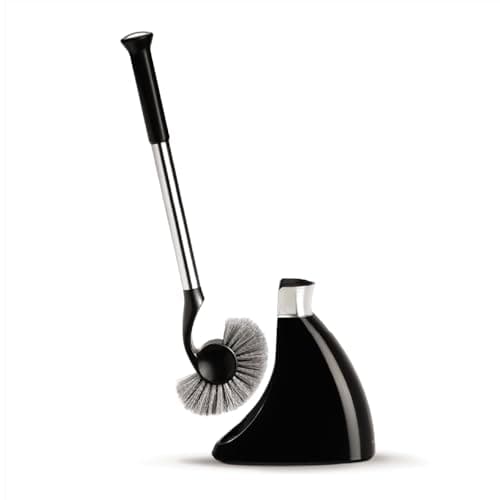
Best toilet brush
Toilet brushes compared on reaching under the rim, stopping the drip, and whether the head can be replaced.
Top pick: Toilet Brush

How to
The published application sequence, why the hour matters, and how to remove a hook without taking paint with it.
Top pick: Command Bath Hooks with Water-Resistant Strips

Head to head
Where the honest line is between stick-on and screwed-in — load, permanence, and what drilling tile really involves.
Top pick: Command Bath Hand Towel Bar
Head to head
Why suction fails in a shower specifically, and what to use instead on each kind of surface.
Top pick: Tooletries The Arnold Shower Hook

How to
3M's published removal method, the broken-tab recovery, and how to clear residue without scratching.
Top pick: Command Bath Hooks with Water-Resistant Strips
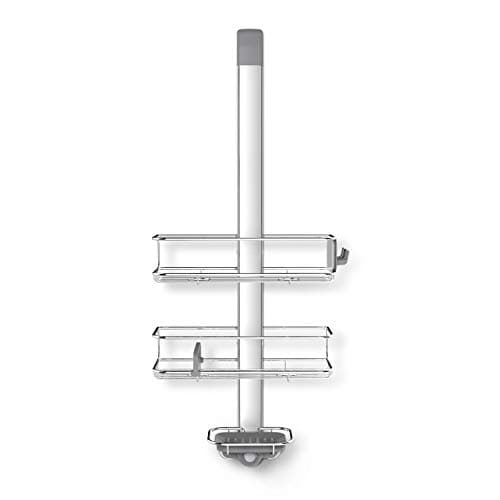
Best for a glass door
Storage that works with a glass shower enclosure, ranked on published material and mounting method.
Top pick: simplehuman Hanging Shower Caddy, Over Door
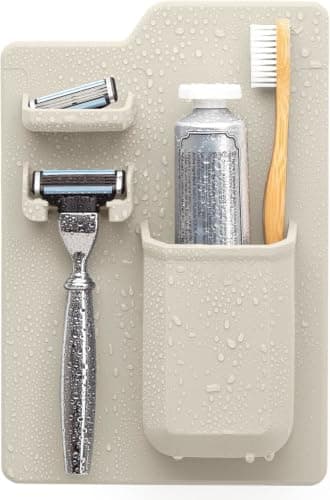
Best toothbrush holder
Toothbrush and razor holders judged on published drainage and material, none of which need a drill.
Top pick: Tooletries The Harvey Toothbrush & Razor Holder
Plain English
The published weight ratings, what they assume, and the four things that reduce them in a real bathroom.
Top pick: Command Bath Hooks with Water-Resistant Strips
Plain English
What each published material does in a wet room, and why an unpublished material is the answer to the question.
Top pick: simplehuman Tension Shower Caddy, 9 ft
Best grab bar
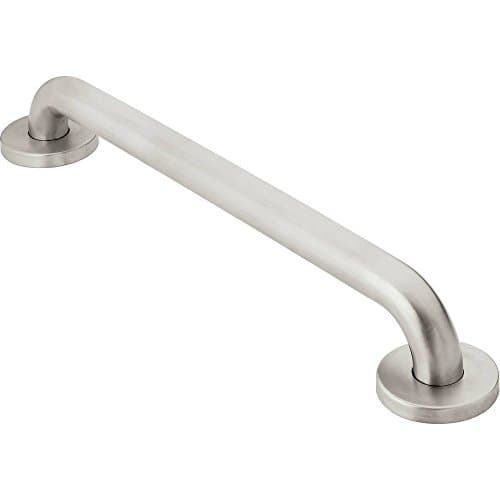
Grab bars compared on published load ratings, ADA compliance, diameter and mounting, with the assist-bar fine print.
Top pick: Home Care 16 in. Concealed Screw Grab Bar, Stainless
Head to head
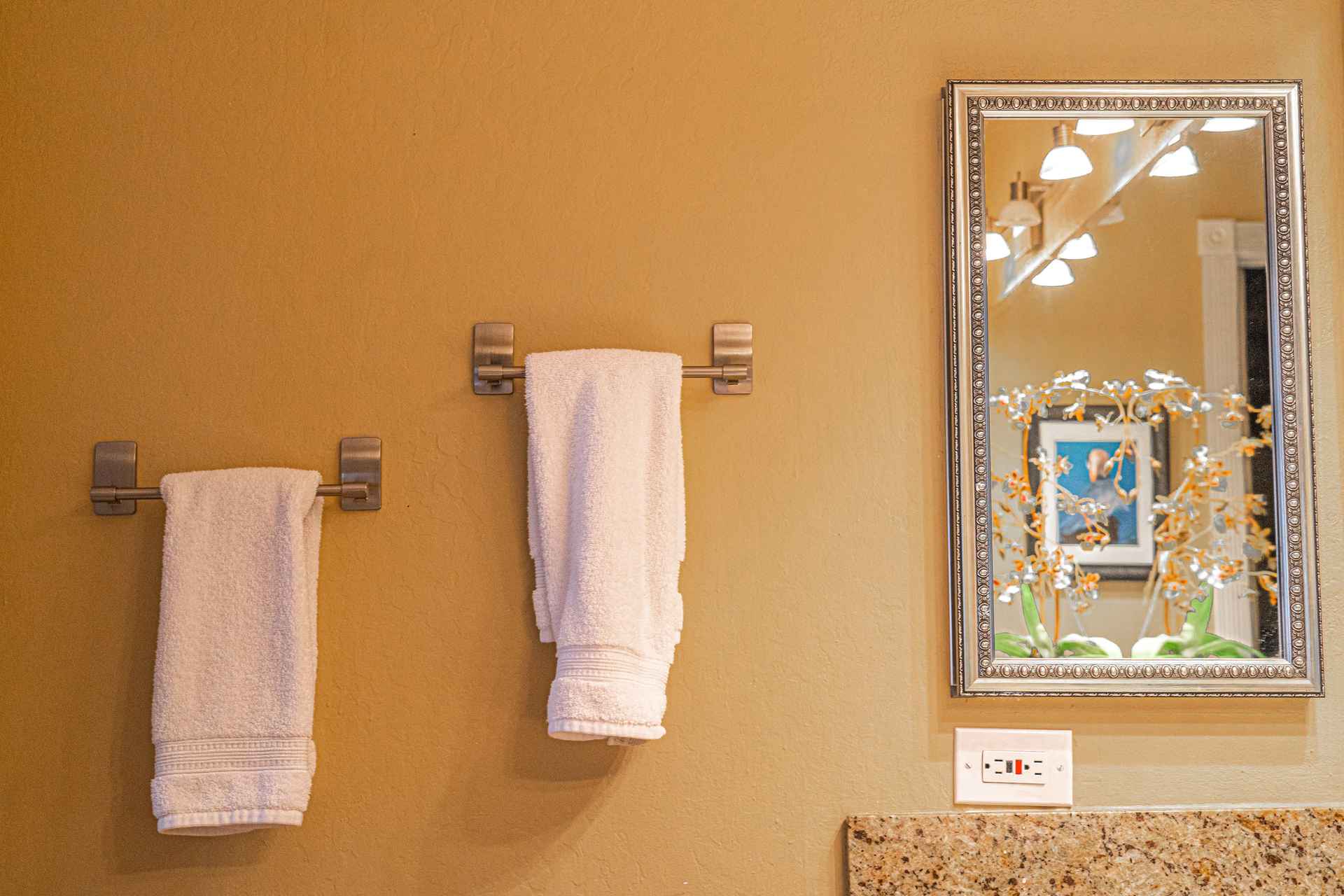
Grab bars and towel bars compared on published load ratings, grip and fixing, with the assist-bar fine print.
Top pick: Home Care 16 in. Concealed Screw Grab Bar, Stainless
Best towel bar
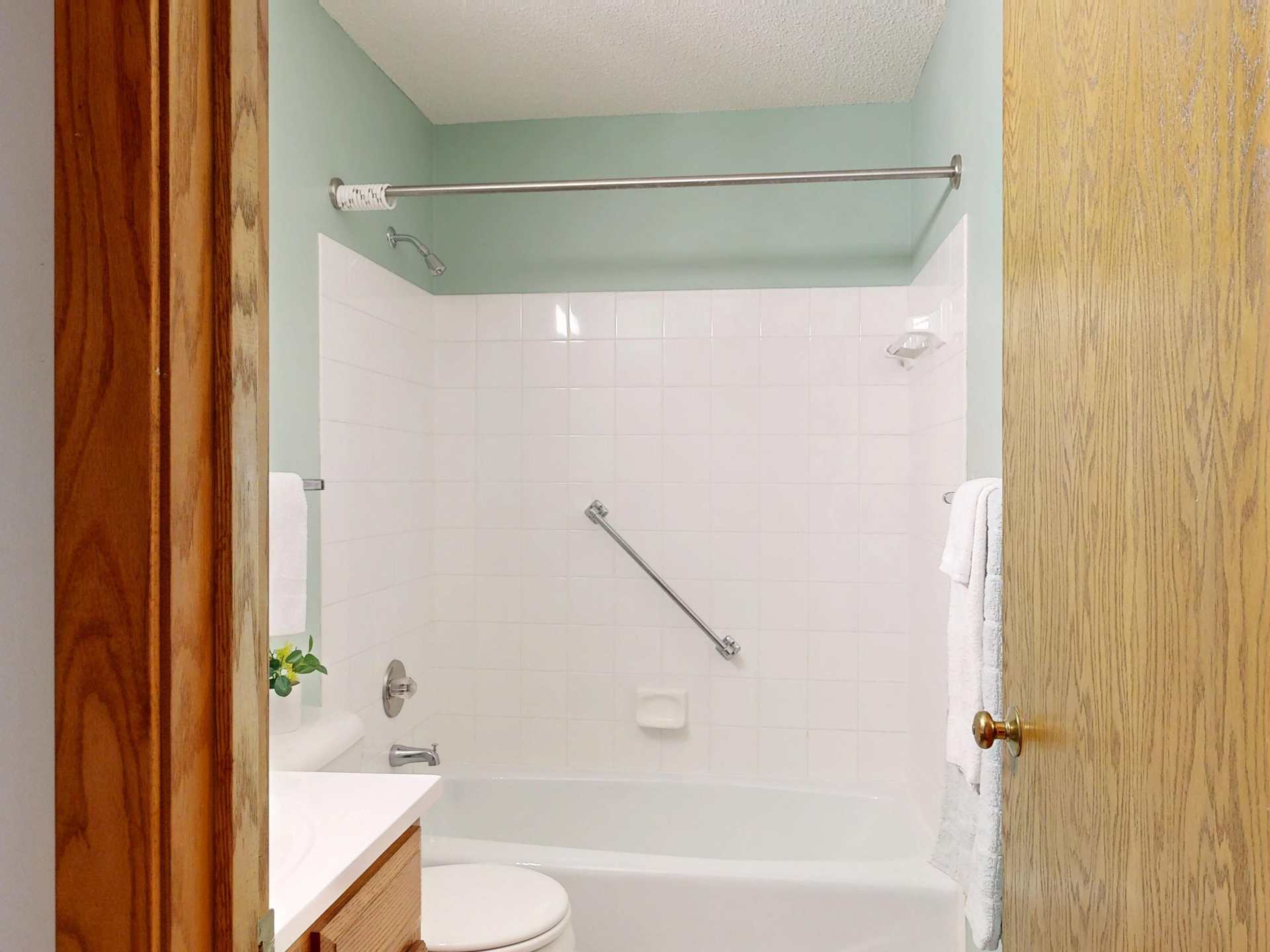
Drilled 24 in. towel bars compared on published material, projection, mounting and finishes, plus the no-drill route for renters.
Top pick: Cassidy 24 in. Towel Bar
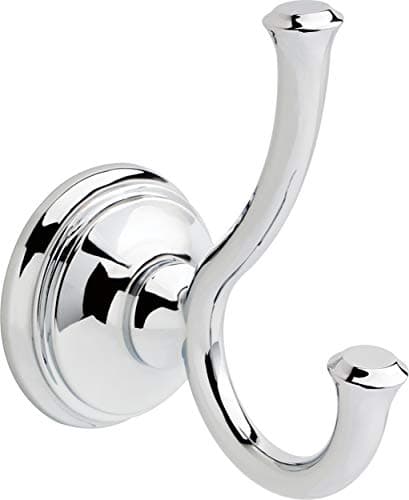
Best robe hook
Robe hooks compared on published load ratings, projection and mounting: drilled, adhesive and silicone.
Top pick: Cassidy Double Robe Hook
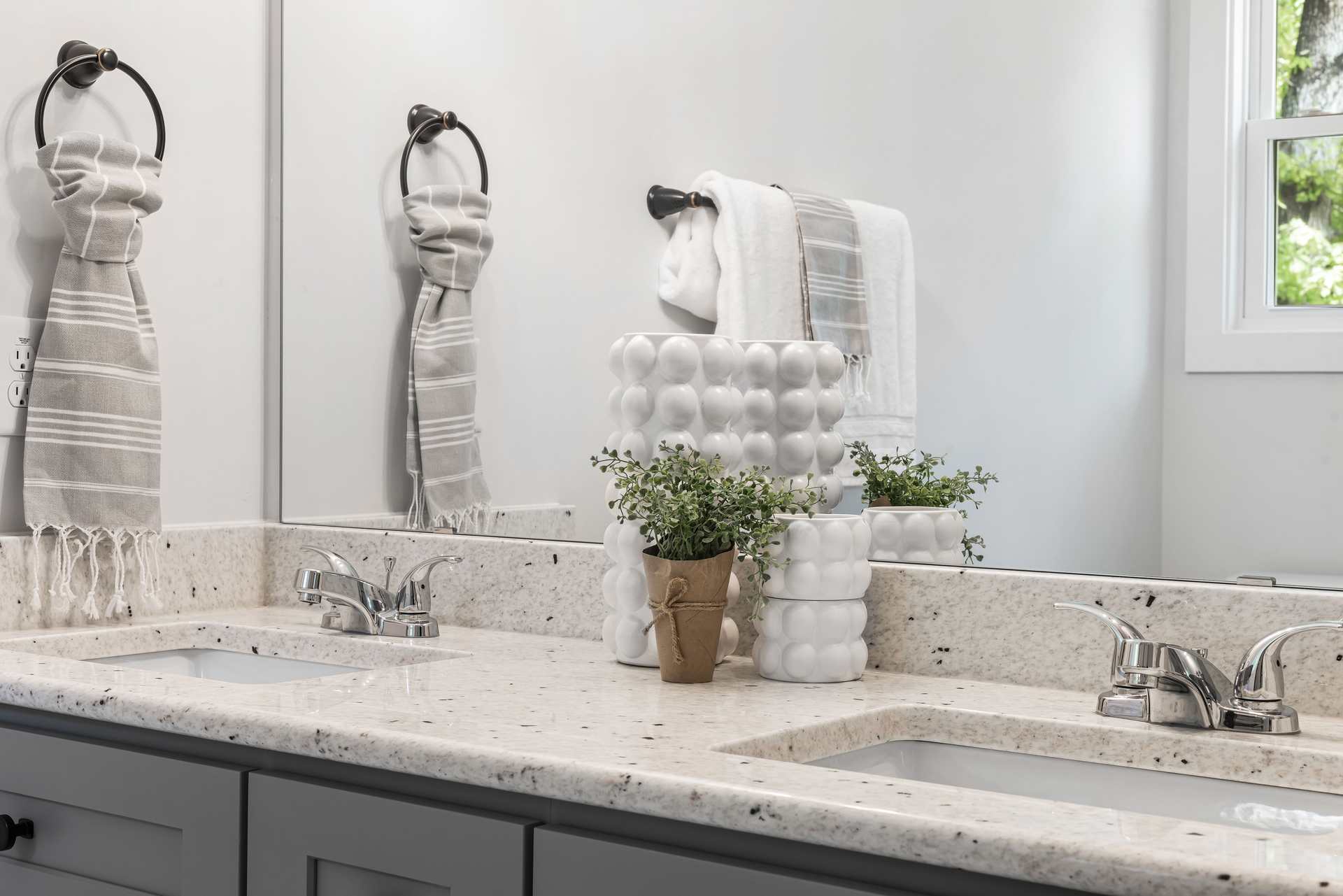
Head to head
Towel bars and towel rings compared on size, projection, drying and placement, using Delta's matching Trinsic pair.
Top pick: Trinsic 24 in. Towel Bar
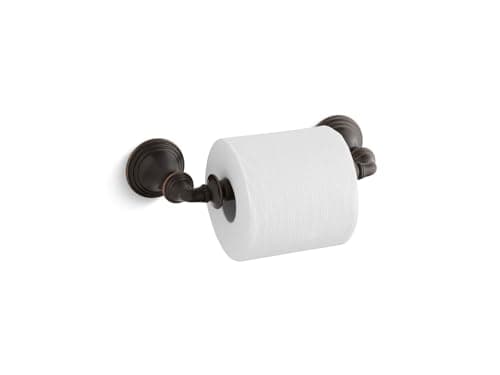
Best toilet paper holder
Toilet paper holders compared on published material, style, projection and mounting, with the ADA's placement numbers.
Top pick: Devonshire Toilet Paper Holder

Head to head
Towel bars and hooks compared on published load ratings, wall space, drying and the no-drill versions of each.
Top pick: Cassidy 24 in. Towel Bar
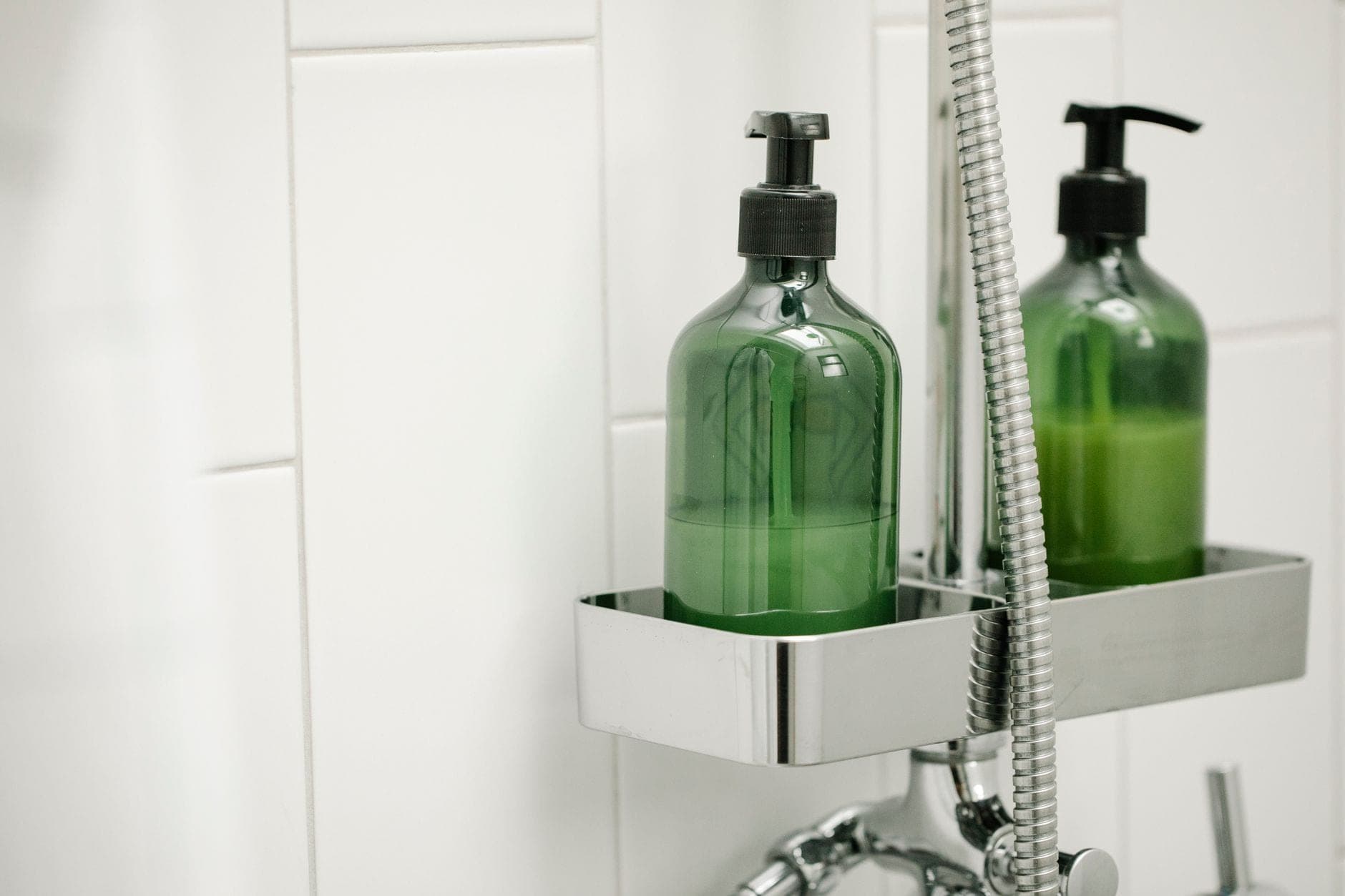
Head to head
Shower caddies and shelves compared on mounting mechanism, capacity, materials, drainage and what makers refuse to publish.
Top pick: simplehuman Tension Shower Caddy, 9 ft
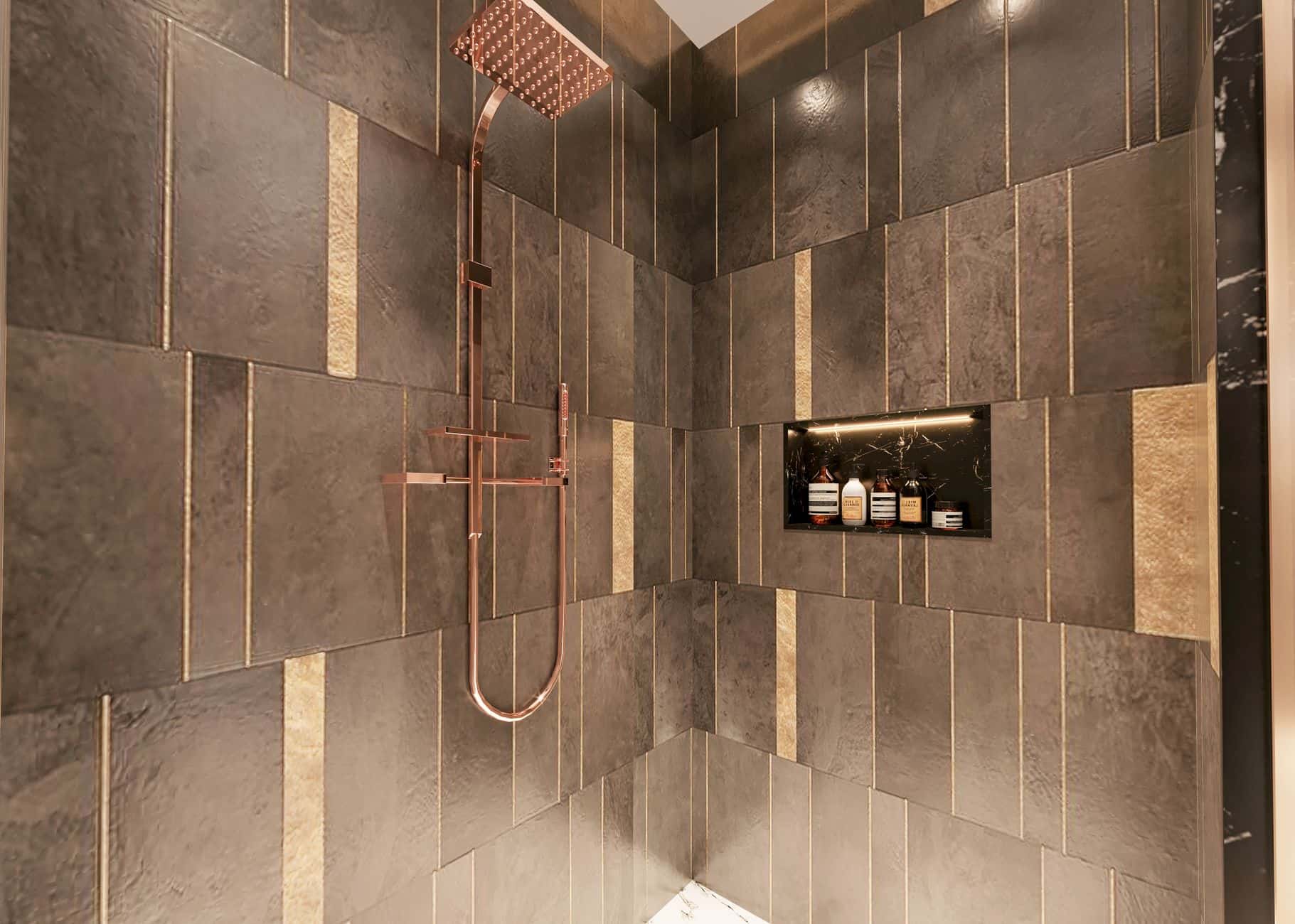
Head to head
Built-in shower niches and added shelves compared on install, waterproofing, published sizes and what each costs you in disruption.
Top pick: KERDI-BOARD-SN Prefabricated Shower Niche
Best senior bathroom upgrade
Grab bars, a shower bench, a handheld head, a raised toilet seat, a non-slip mat and a night light — ranked by the fall each one prevents.
Top pick: Home Care 16 in. Concealed Screw Grab Bar, Stainless
How to
Published bar lengths, assembled widths and projections, matched to published towel sizes for a bath towel and a hand towel.
Top pick: Cassidy 24 in. Towel Bar
How to
The ADA's published heights for toilet paper holders, grab bars and mirrors, plus how projection decides towel bar placement.
Top pick: Devonshire Toilet Paper Holder

How to
Find the set screw, lift the bar off its posts, and handle adhesive bars 3M's published way — plus what the anchors leave behind.
Top pick: Trinsic 24 in. Towel Bar

Plain English
No caddy we cover publishes a weight limit. The published figures that do exist — 4 lb, 3 lb, 5 lb, 20 lb — and how to load without them.
Top pick: simplehuman Tension Shower Caddy, 9 ft

Head to head
A floor-to-ceiling tension caddy against an over-door caddy: what each needs from the room, and what neither maker publishes.
Top pick: simplehuman Tension Shower Caddy, 9 ft
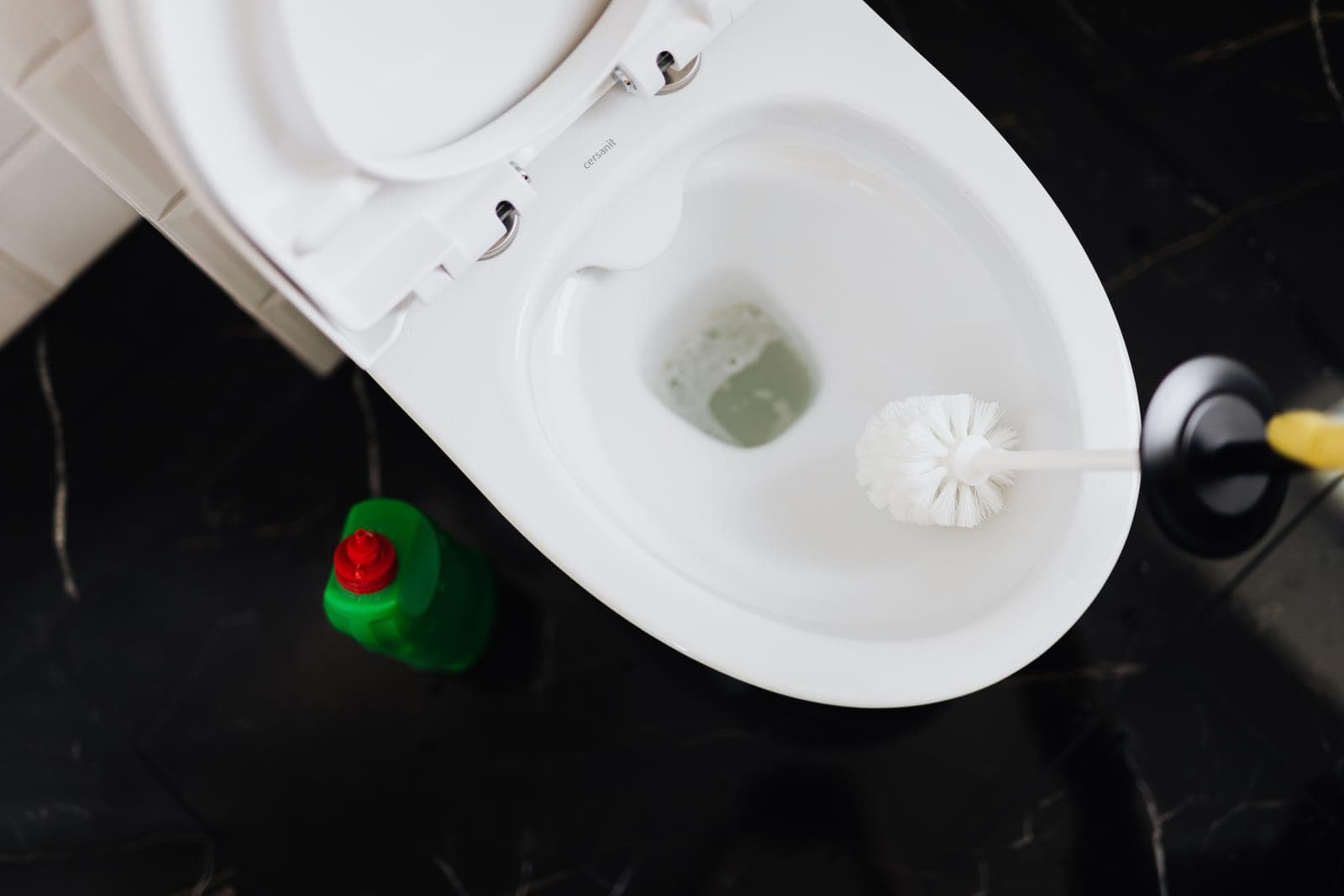
Head to head
simplehuman's crescent-head brush against OXO's compact canister, on head shape, drying, footprint and warranty.
Top pick: Toilet Brush
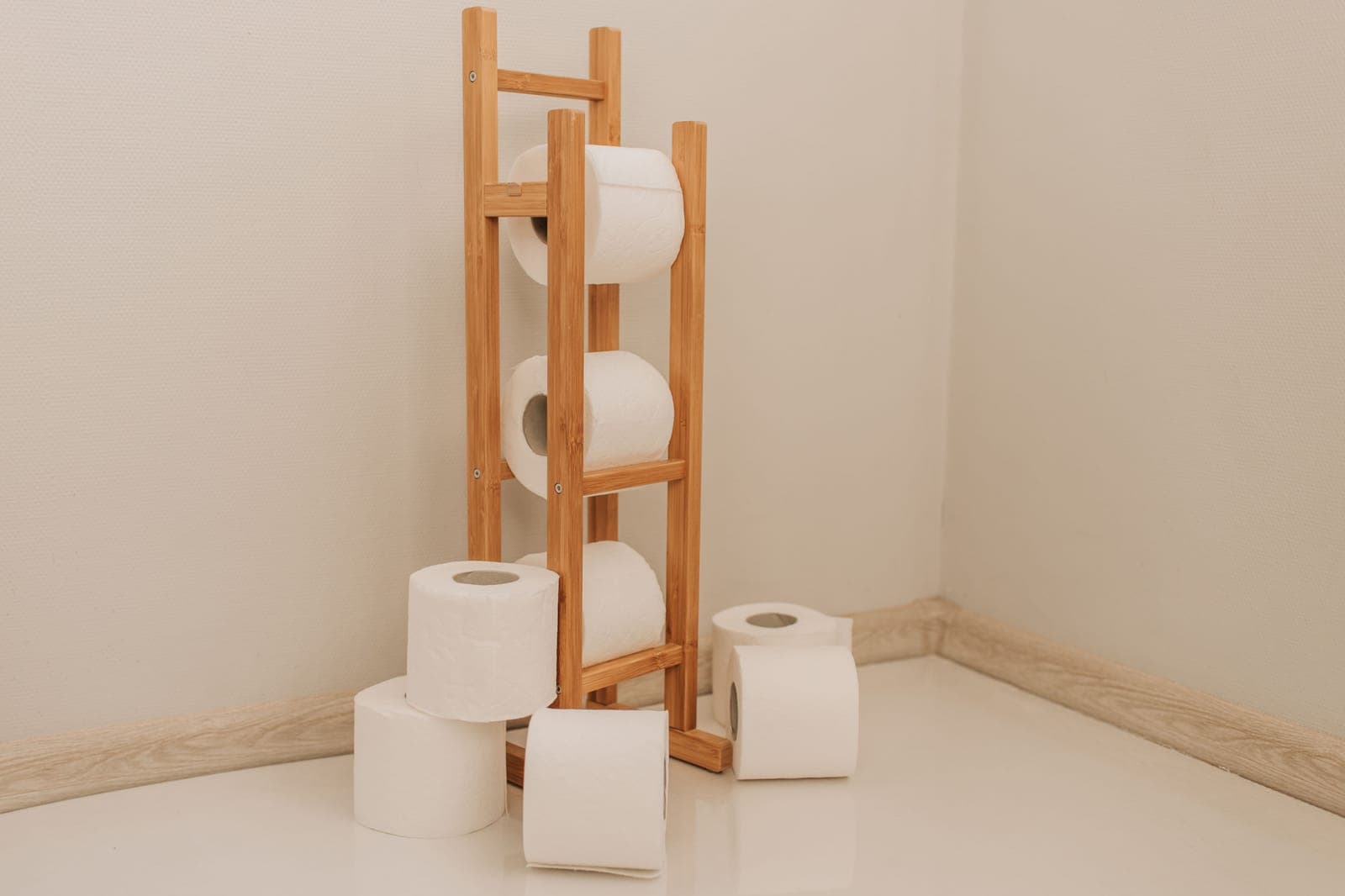
Head to head
A three-roll floor stand against a wall-mounted metal holder: reach, storage, drilling, stability and warranty.
Top pick: Tower Toilet Paper Stand
Best pedestal sink storage
Four ways to store toothbrushes, towels and spare rolls in a bathroom with no counter and no cabinet under the sink.
Top pick: Tooletries The Henry Essentials Holder
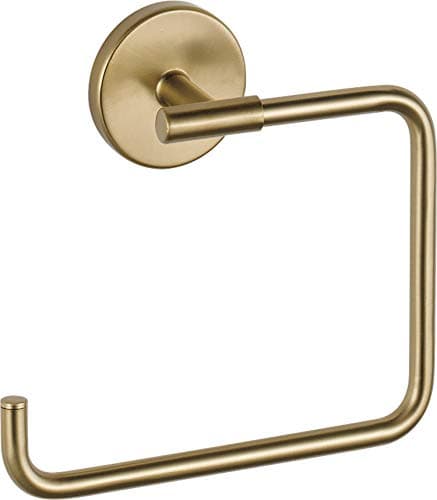
Best powder room hardware
Four fittings sized for a guest half-bath, with published projections and widths, plus the one piece most people buy by mistake.
Top pick: Trinsic Towel Ring
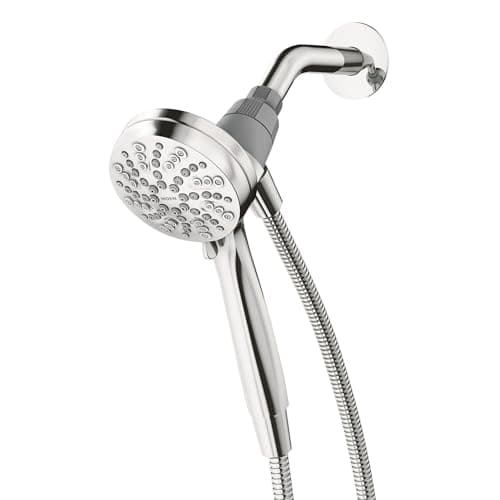
Best afternoon bathroom upgrade
Five bathroom upgrades you can fit in an afternoon with no drilling and no trade, plus the one that only looks like a quick job.
Top pick: Moen Engage Magnetix Handheld Shower, 1.75 GPM

Worth it?
Whether bathroom upgrades add resale value, answered from published facts — utility savings, ADA compliance and warranties — rather than invented percentages.
Top pick: Conway One-Handle High Arc Bathroom Faucet
Best bathroom gift under $50
Five bathroom gifts under $50 ranked on published specs and reversibility, with live prices and the one gift to avoid.
Top pick: Tooletries The Harvey Toothbrush & Razor Holder
Best shared bathroom upgrade
Four upgrades for a bathroom shared by two or more people, ranked on published specs, with the popular fix that backfires.
Top pick: Tooletries The Harvey Toothbrush & Razor Holder
Tension is the strongest and the least fashionable. simplehuman publishes a “reinforced aluminum tension pole with high-compression spring and grippy rubber feet” extending from six to nine feet, holding itself up by pushing against the floor and the ceiling. Nothing sticks to anything. It carries far more than any adhesive product and it fails, when it fails, by slowly slipping rather than suddenly letting go. The catch is that it needs a ceiling within its range and it is visually present in a way a hook is not.
Hanging is the simplest thing in the category: a caddy that hooks over the shower arm, or over the top edge of a glass door. simplehuman’s hanging caddies add a second contact point — “support from both above and below” — which is what stops the classic hanging-caddy swing. There is nothing to fail because there is nothing holding on.
Adhesive and silicone grip is where the design work is. 3M’s Command system uses a stretch-release adhesive that comes away cleanly if you pull the tab straight down; Tooletries uses a silicone pad that grips a smooth surface and is published as “completely removable and reusable” with a 4 lb capacity. Both work. Both fail if you put them on the wrong surface.
One: the surface was not clean. 3M’s own instruction is to clean with rubbing alcohol first, and it is not a suggestion. Bathroom surfaces carry an invisible film of soap and body oil that adhesive cannot bond through. A household spray cleaner leaves its own residue and makes it worse. Isopropyl alcohol, a paper towel, and let it dry.
Two: nobody waited. 3M publishes press the base firmly for 30 seconds, then “wait 1 hour before use”. That hour is the adhesive reaching its working strength. Hanging a wet towel on a hook fifteen minutes after fitting it is the single most common cause of a hook on the floor, and it is entirely self-inflicted.
Three: the surface was textured. Both manufacturers are explicit here. 3M’s instruction is to choose a spot where the strips are not over grout lines. Tooletries publishes that its grip needs “flat, smooth, shiny, non-porous surfaces” and names “mosaic, subway, and kit-kat tiles” as unsuitable — a subway tile has a grout line every few inches, so there is often nowhere flat enough to stick to. If your bathroom is small-format tile, adhesive may simply be the wrong mechanism and a tension or hanging product is the answer.
The full sequence, including the bit about temperature, is in how to hang adhesive hooks.
Every published weight rating in this category assumes the load hangs straight down. A wet bath towel is heavier than a dry one by a surprising margin, and a towel yanked sideways off a bar puts a shear load on the adhesive that the rating never contemplated.
3M rates its medium water-resistant strip at 3 lb and its large at 5 lb. Tooletries publishes 4 lb for the Arnold hook. Those are real numbers from the manufacturers, and the sensible way to use them is to assume you get about two-thirds of the figure in practice and to hang a hand towel where you were going to hang a bath sheet.
This hub exists because a rented bathroom has nowhere to put anything and a lease that says you may not make holes. Every product here scores Safe on our install rating for the same reason: there is nothing to make good on move-out day.
The one warning worth issuing: adhesive is only damage-free if you remove it the way the manufacturer says. Command’s removal is a stretch-release — slide the item off the base, then pull the tab slowly and straight down, never out from the wall. Levering a hook off with a knife will take paint with it, and then the whole point of buying damage-free hardware has been thrown away in five seconds.
Being straight about it: this hub is deliberately smaller than the others. A lot of no-drill hardware is sold by brands that publish no specifications at all — no weight rating, no material, no surface guidance — and we will not fill those gaps with guesses. Where we could not find a published figure, the product pages say “Not published”, and where we could not find a manufacturer prepared to publish anything, the product is not here. The hub will grow as that changes.
Clean the spot with rubbing alcohol and let it dry, peel the liner, press the base firmly against the wall for 30 seconds, and then wait a full hour before hanging anything on it. Avoid grout lines and textured tile. The hour of waiting is the step people skip and the reason hooks end up on the floor.
A single hook, usually mounted at shoulder height, sized for the weight of a bathrobe rather than a hand towel. In a rental the adhesive versions are the practical choice, but check the published weight rating: a wet robe is heavier than most adhesive hooks are rated for.
Three mechanisms work without a drill: a tension pole sprung between floor and ceiling, a caddy that hangs over the shower arm, and one that hooks over a glass shower door. Tension carries the most weight; hanging is the simplest and cheapest.