
Best bathroom gift for a renter
The best bathroom gifts for renters
Four bathroom gifts for renters, every one reversible with no drilling, with live prices and the common gift that fails the test.
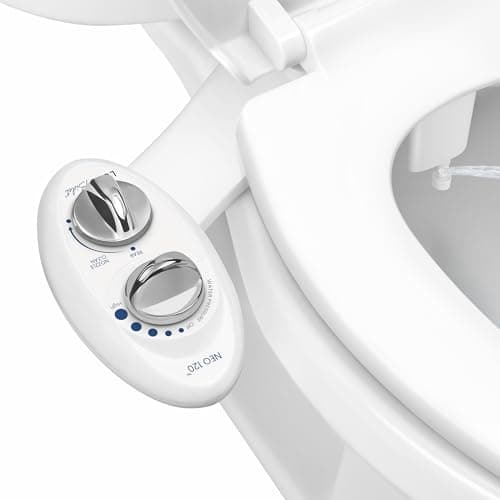
Top pick: LUXE Bidet NEO 120
Every recommendation on this site carries an install rating built from the manufacturer's own manual. This is where those ratings live, and where the renter's version of the whole site starts.
The short version
Best bathroom gift for a renter
Four bathroom gifts for renters, every one reversible with no drilling, with live prices and the common gift that fails the test.
Top pick: LUXE Bidet NEO 120
How to
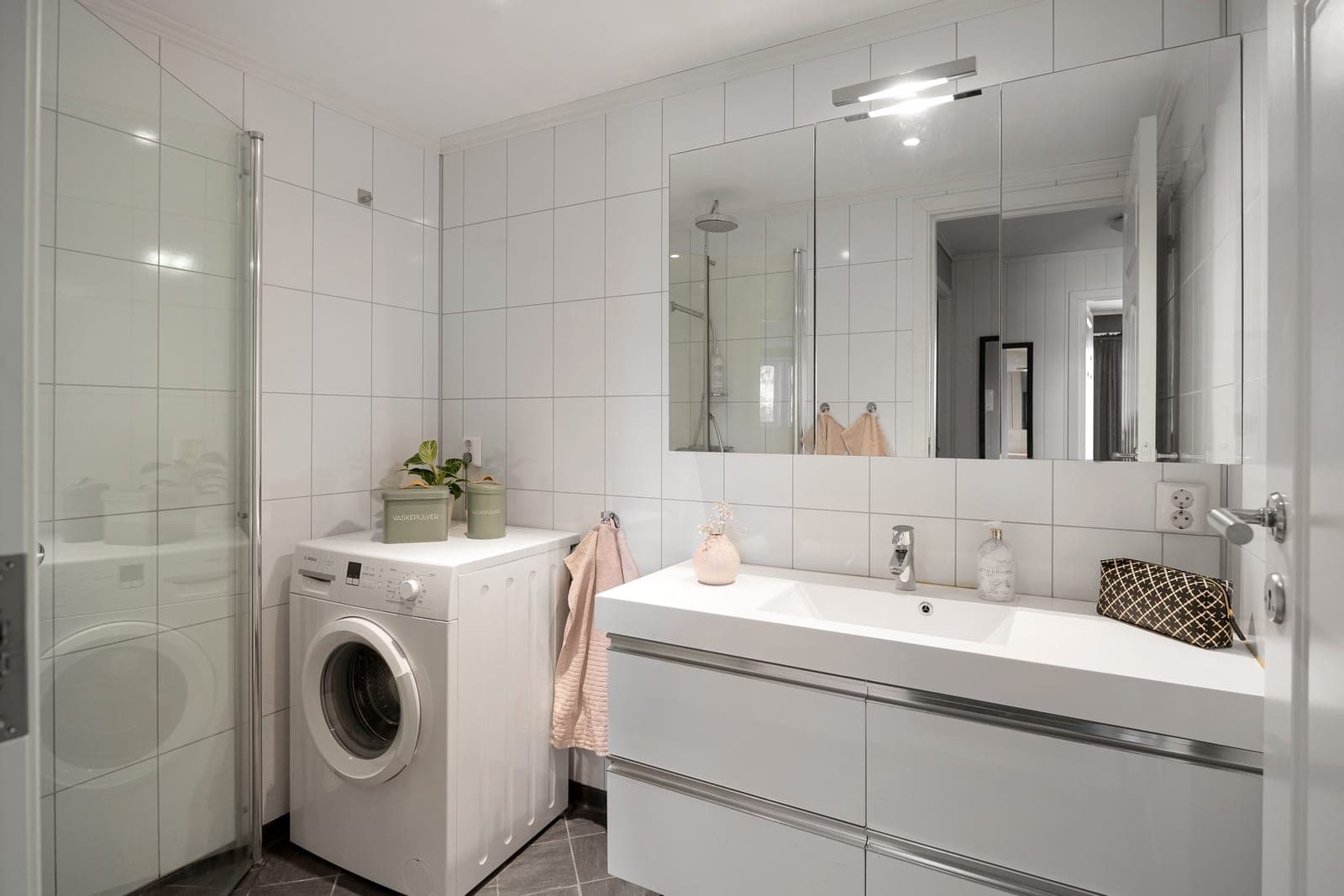
The full list of reversible bathroom changes, the line where it stops, and the habit that protects your deposit.
Top pick: High Sierra Classic Fixed Showerhead (FCS-100)

How to
The six-field rating on every product, where each field comes from, and how the verdict is derived.
Top pick: TUSHY Classic 3.0 Bidet Attachment

How to
Every upgrade undone in order, in about thirty minutes — plus the two parts people always throw away.
Top pick: High Sierra Classic Fixed Showerhead (FCS-100)
Best no-tools upgrade
Upgrades with literally no installation — plug in, stand up, or peel on — and nothing at all to undo.
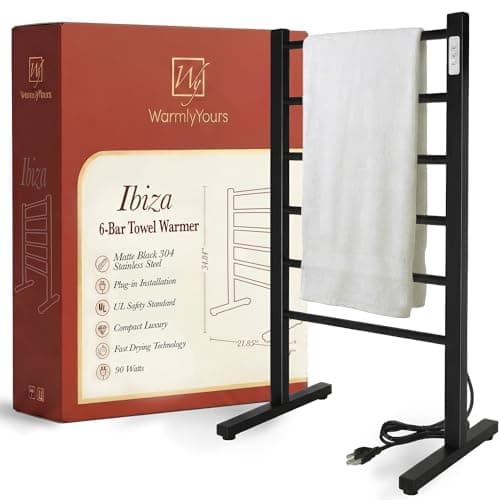
Top pick: WarmlyYours Ibiza Freestanding Towel Warmer
How to
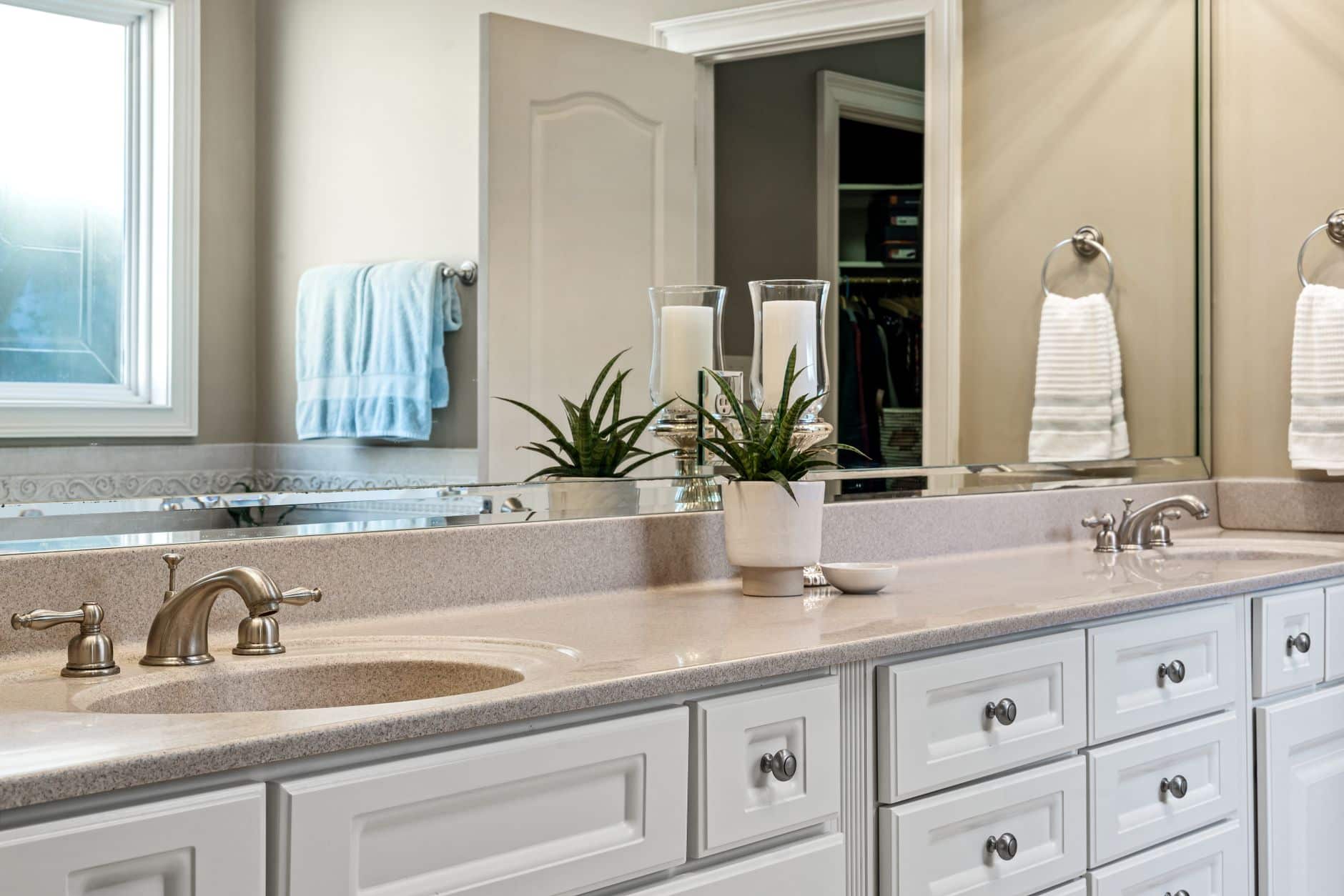
Mirror upgrades a tenant can make: rechargeable and battery lighted mirrors, grip-mounted shower mirrors, and the ones that need permission.
Top pick: Zadro Cordless LED Makeup Mirror (LEDMV410)
How to
What a tenant can do about bathroom steam and damp, the humidity targets the EPA publishes, and the fans worth asking a landlord for.
Top pick: WhisperSense DC Spot Ventilation Fan

How to
Which upgrades need asking, how to frame the request, and the three that are worth asking for.
Top pick: WarmlyYours Palma Wall-Mounted Plug-In Towel Warmer
How to
Seat, bidet attachment, raised seat and paper storage: the toilet upgrades that fit with no drilling and come off cleanly.
Top pick: Cachet ReadyLatch Quiet-Close Elongated Toilet Seat
Best bathroom upgrade under $100
Seven upgrades under $100 at the time of writing — a filtered head, a handheld, a bidet attachment, a tub mat, a shower mirror, better bulbs and hooks.
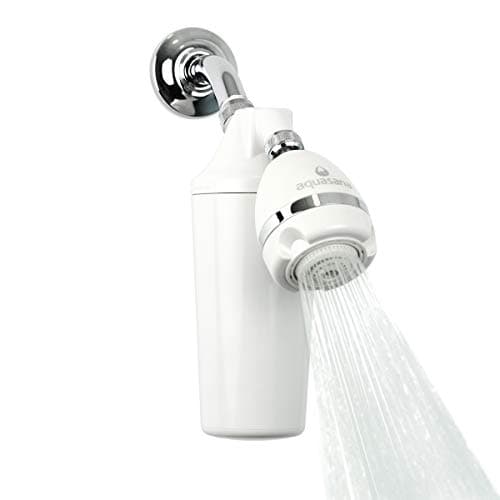
Top pick: Aquasana Shower Filter with Chrome Handheld Wand
What it costs
Bathroom upgrade costs by category, from a bulb swap to a towel warmer, with live prices and the running-cost arithmetic behind them.
Top pick: GE Relax HD LED G25 Vanity Globe Bulbs, 60-Watt Replacement, Soft White (2 Pack)
How to
The five things a first apartment bathroom needs, in buying order, chosen for published specs and total reversibility.
Top pick: Softy PEVA Shower Liner, Mildew-Resistant
These roundups live in their product categories, where they belong — one target keyword, one page. This hub points at them rather than writing a second version of each.
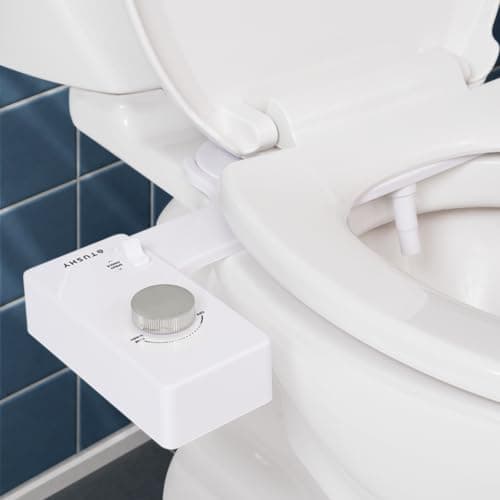
Best bidet for renters
Bidets that install and uninstall in minutes, rated on published fittings — for bathrooms you do not own.
Top pick: TUSHY Classic 3.0 Bidet Attachment
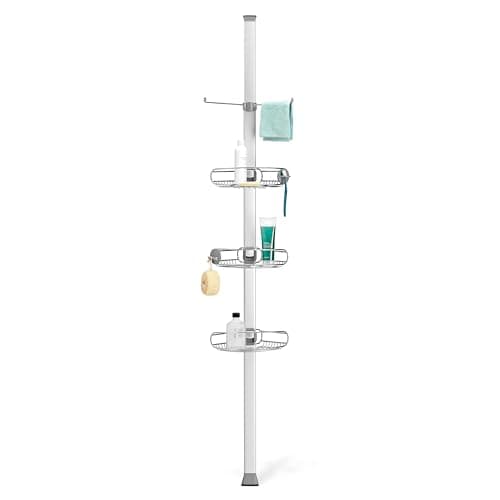
Best no-drill shower caddy
Tension, hanging and silicone-grip caddies compared on published materials and warranty — nothing drilled.
Top pick: simplehuman Tension Shower Caddy, 9 ft
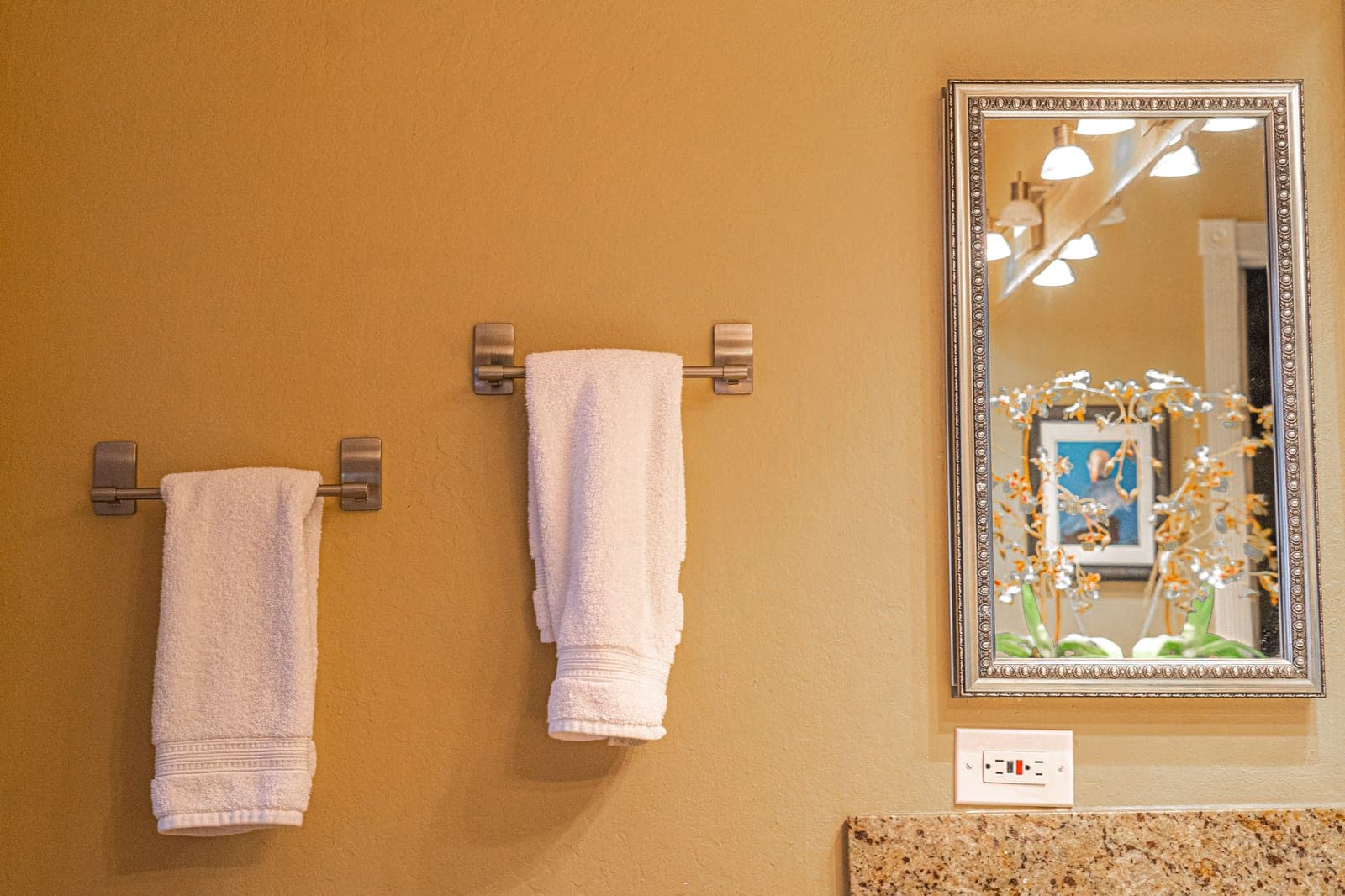
Best no-drill towel bar
No-drill towel storage with published weight ratings — and the cure time that decides whether it stays up.
Top pick: Command Bath Hand Towel Bar
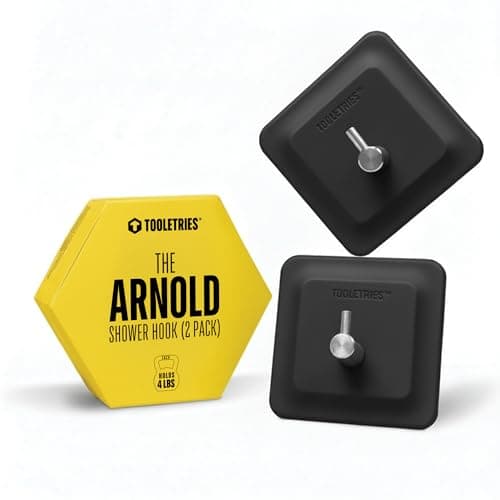
Best adhesive bathroom hook
Adhesive and silicone hooks with published weight ratings and surface rules — plus one that publishes nothing.
Top pick: Tooletries The Arnold Shower Hook

Best renter-friendly heater
Plug-in ways to warm a cold bathroom, with running costs in cents and a hard look at bathroom safety ratings.
Top pick: Lasko 8″ Bathroom Ceramic Heater with ALCI Plug

How to
Five steps, one adjustable wrench, fifteen minutes — including the tape direction almost everyone gets backwards.
Top pick: High Sierra Classic Fixed Showerhead (FCS-100)
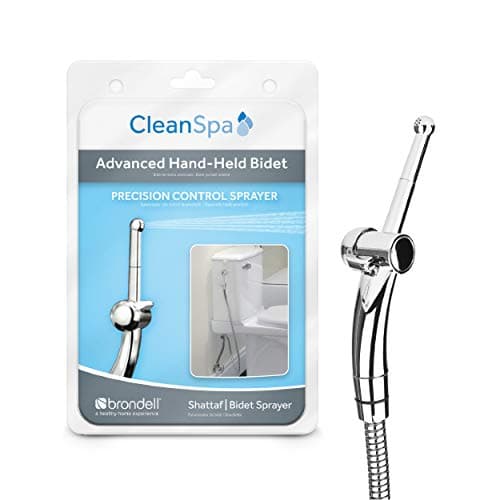
Best bidet sprayer
Hand-held bidet sprayers compared on where the pressure control sits, how the holster mounts, and the hose.
Top pick: CleanSpa Advanced Hand-Held Bidet Sprayer
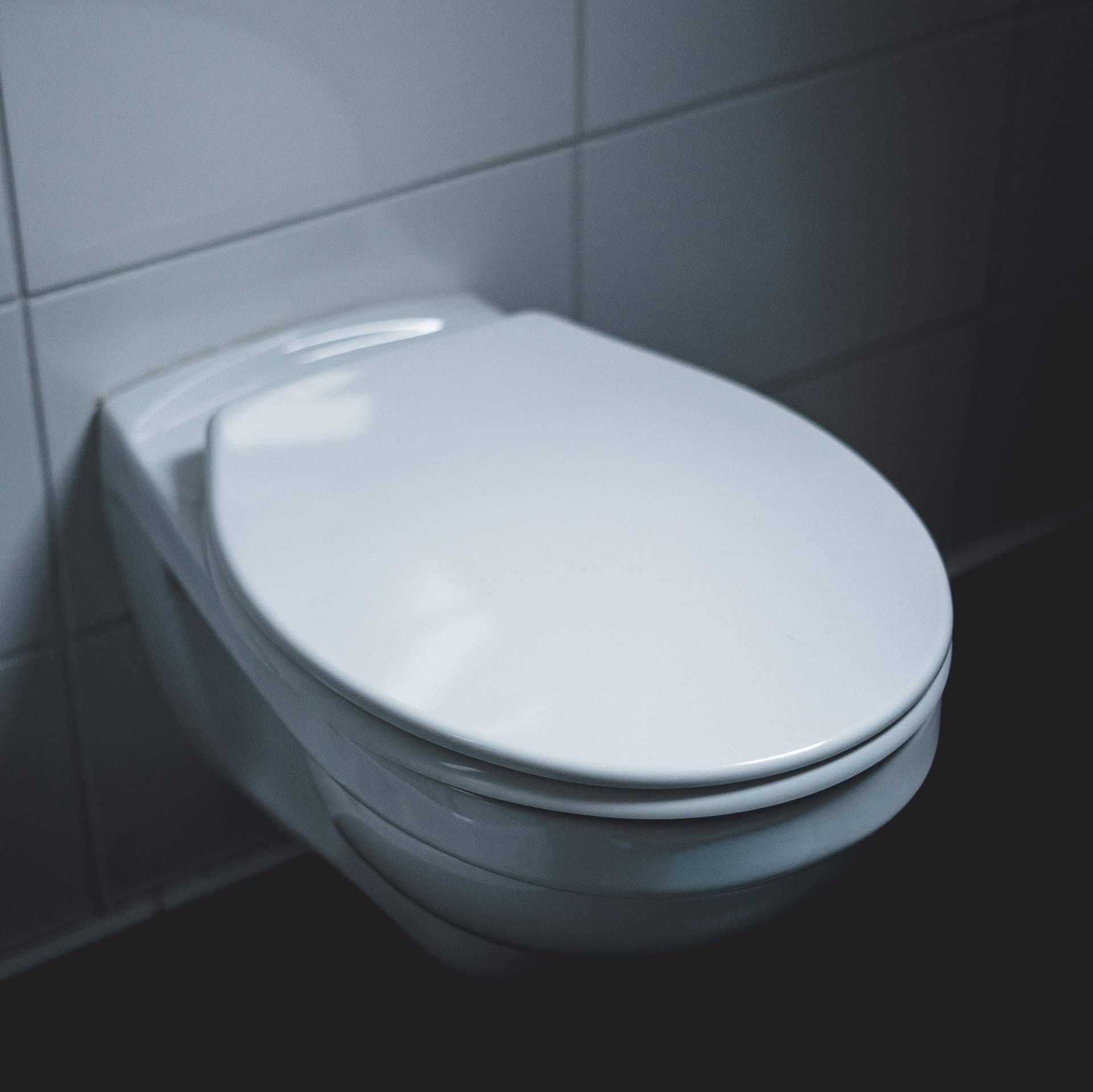
Best toilet seat
Plain seats ranked on quick-release cleaning, quiet-close, top-mount fixing and published dimensions.
Top pick: Cachet ReadyLatch Quiet-Close Elongated Toilet Seat
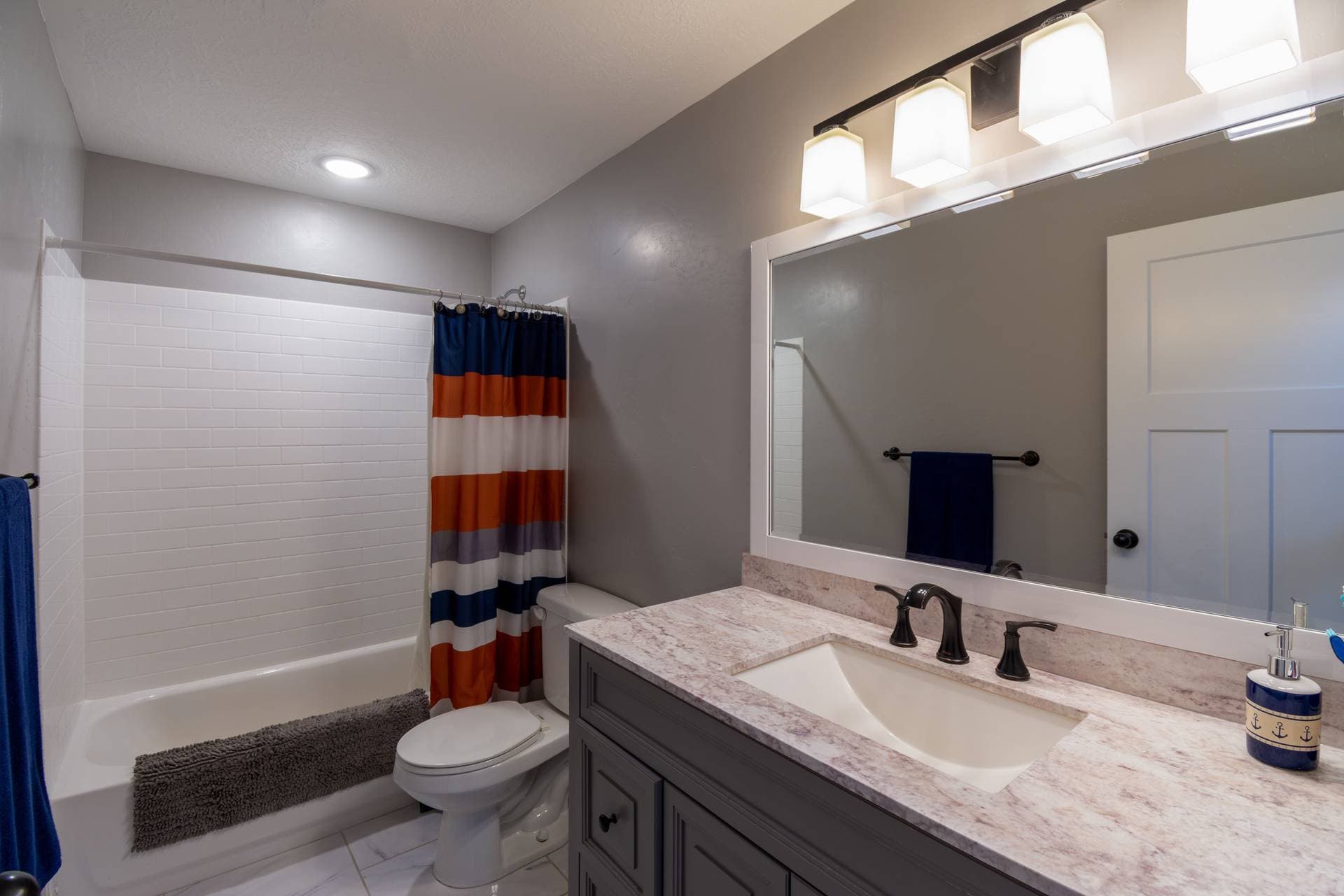
Best shower curtain
Cotton shower curtains with published certifications, sizes and care — plus what the labels really certify.
Top pick: Organic Waffle Shower Curtain
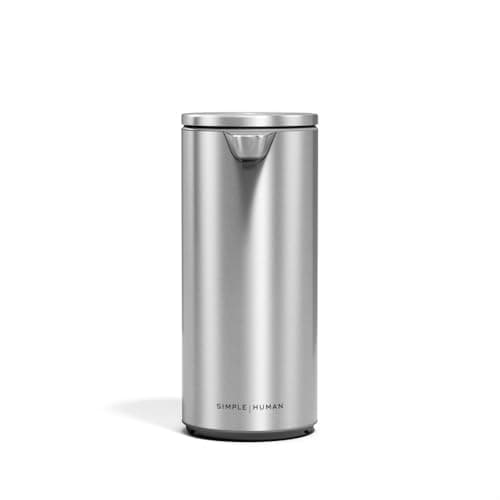
Best soap dispenser
Touch-free soap pumps ranked on published charge life, cycle rating and soap type.
Top pick: Rechargeable Liquid Sensor Pump, 9 oz.

Best vanity bulb
G25 vanity globe bulbs ranked on published CRI, lumens and color temperature, with a dollar-a-year running cost.
Top pick: GE Reveal HD+ LED G25 Vanity Globe Bulbs, 60-Watt Replacement (2 Pack)
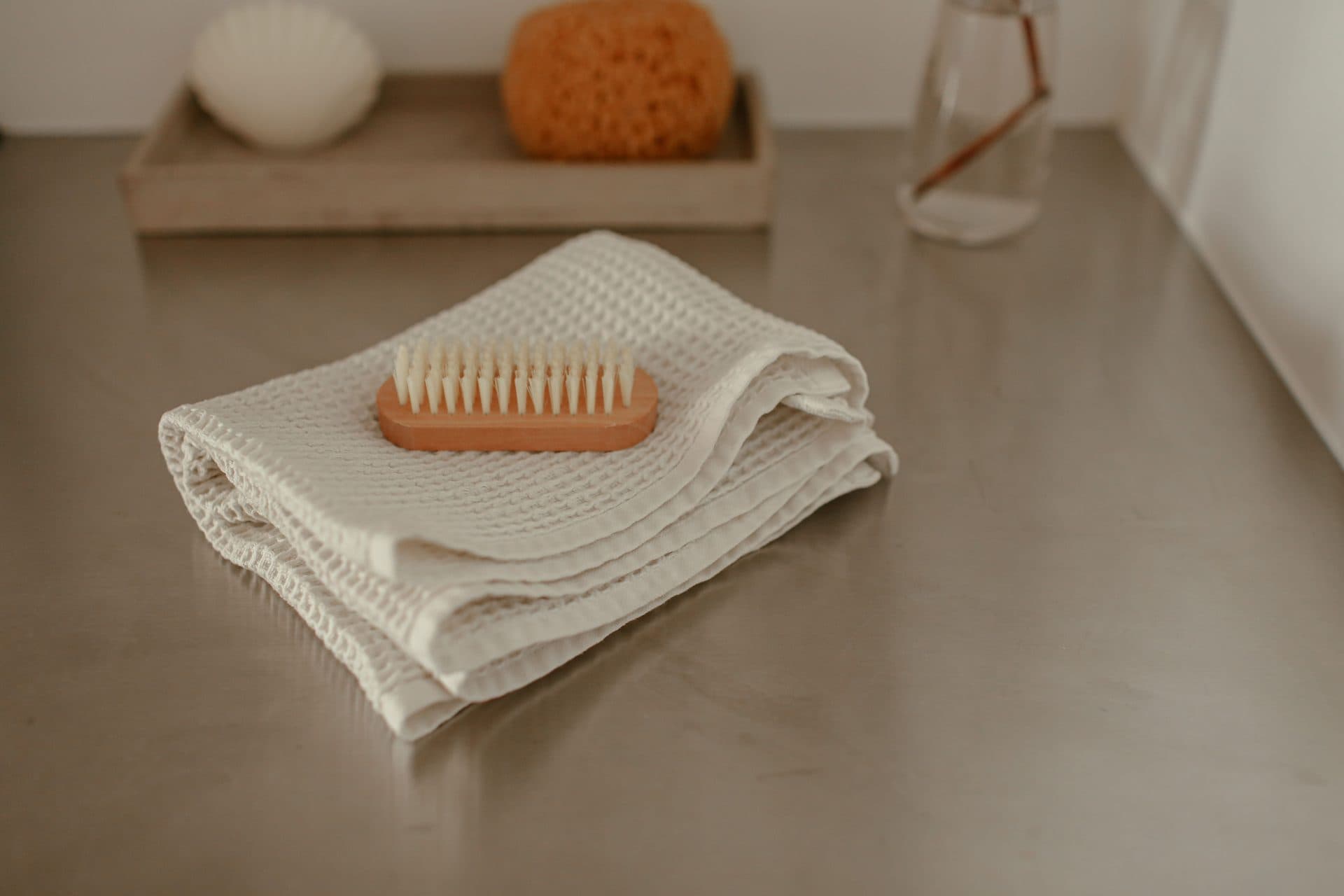
Best waffle towel
Waffle-weave bath towels compared on published fiber, weight and size, with the care rule most people break.
Top pick: Waffle Towels

Best night light
Plug-in and seat-mounted bathroom night lights compared on published lumens, sensors, timing and damp ratings.
Top pick: GE Motion-Select LED Night Light

Best raised toilet seat
Tool-free raised toilet seats compared on height added, locking, arm spacing, weight capacity and fit.
Top pick: PreserveTech Secure Lock Raised Toilet Seat

Best bathrobe
Cotton bathrobes compared on published fiber, weave, length, sizes, pockets, certification and returns.
Top pick: Cloud Cotton Robe
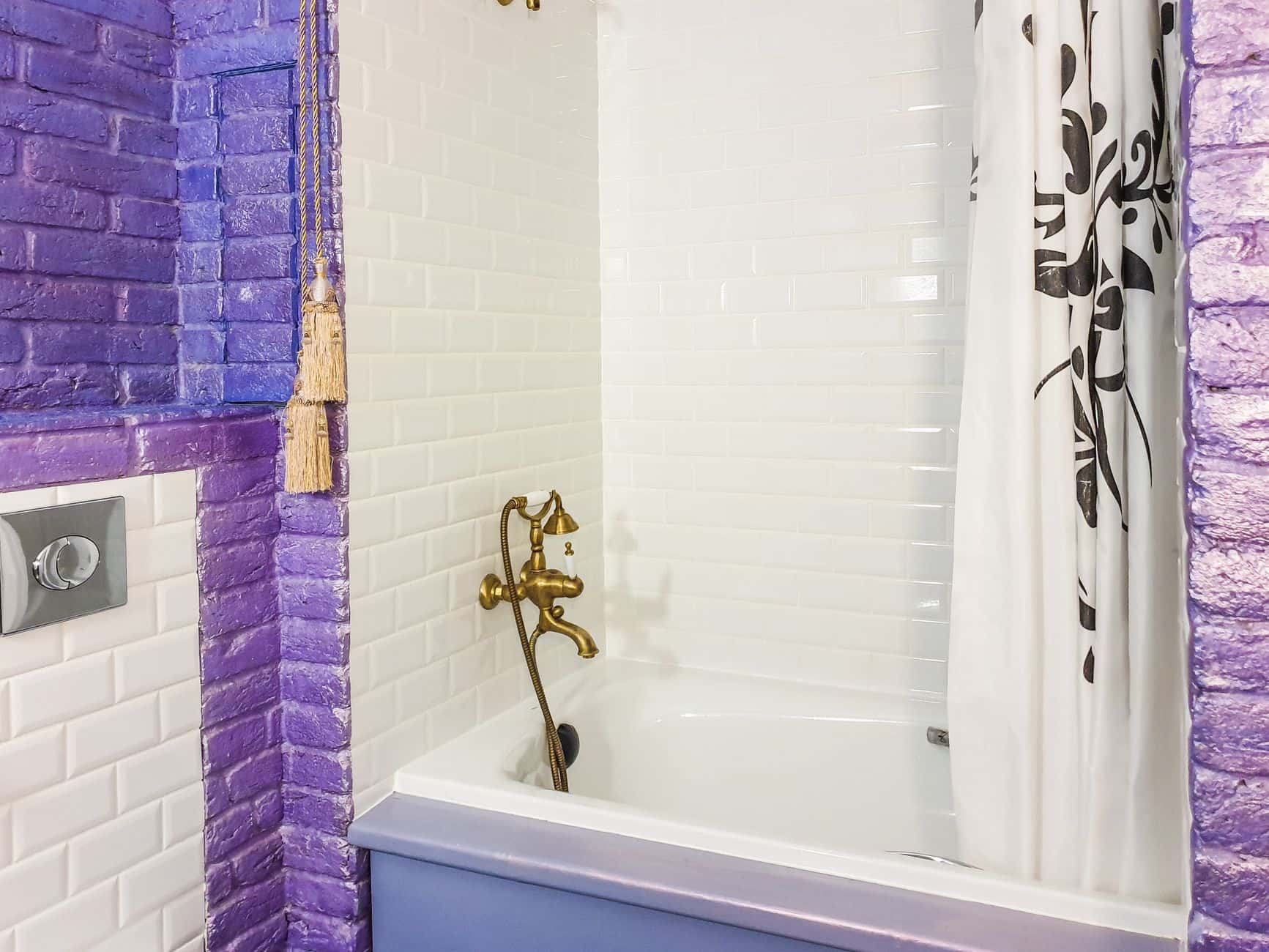
Best shower liner
Shower liners compared on published gauge, material, mildew claims, sizes and whether they can go in the washing machine.
Top pick: Shower Curtain Liner
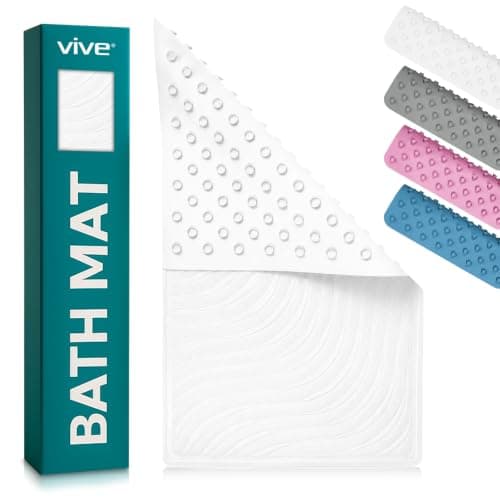
Best non-slip tub mat
In-tub non-slip mats compared on published size, material, suction-cup counts, surface limits and care.
Top pick: 28 in. x 16 in. Bath Mat
Every buying guide in this category is written for somebody who owns their bathroom. They recommend the wall-mounted rail, the hardwired heater, the drilled-in caddy, and they never once mention that a third of their readers cannot fit any of it and will lose a deposit trying.
We went and looked: of the ten publishers analyzed when this site was planned, not one organized its recommendations around installability. It is the most obvious unserved question in the category, so it is the question this site is built on.
Every product on this site carries a six-field Renter-Safe Install Rating: whether it needs drilling, what tools it needs, how long the manufacturer says it takes, what power it needs, whether it is reversible on move-out, and a verdict of Safe, Ask first or Owner-only. Five of those six fields are read straight off the manufacturer’s own manual or spec sheet. The sixth — the verdict — is derived from the other five, and we publish the derivation so you can disagree with it. Where a manufacturer publishes nothing, the field reads “Not published” and stays that way.
The full logic is at renter-safe ratings explained. It takes four minutes to read and it means you never have to take our word for a verdict.
Safe is the large majority of what we recommend. It means no drilling, no wiring, and a removal that is the installation run backwards. A showerhead, a bidet attachment, a tension caddy, an adhesive hook fitted properly. You can put these in without telling anyone, and on the day you leave the room goes back to how you found it in about fifteen minutes.
Ask first means the product itself is reversible but it touches something a reasonable landlord might want to know about. A warm-water bidet that needs a second hose under the basin. An electric seat that needs a plug there may not be. Nothing here is damage; it is a courtesy, and in our experience the conversation goes better than people expect because you are asking to improve the bathroom at your own expense.
Owner-only means anchors in the wall, a cut pipe, or new wiring. The WarmlyYours Palma rail is the clearest example on this site: a 60 W plug-in towel warmer that would be perfect for a renter except that it ships with a wall-mount hardware kit and leaves four holes in your tile. Beautiful product, wrong buyer.
If you have just moved in and want the biggest change for the least risk, in this order:
The showerhead. Ten minutes, one adjustable wrench, and it is the part of the bathroom you interact with most. Keep the old one in a bag. The picks are here.
A bidet attachment. TUSHY publishes an install of eight and a half minutes with a screwdriver, and it slides out from under the seat as fast as it went in. The renter-safe bidet picks are here.
Somewhere to put things. Rented bathrooms are famously short of storage, and a tension or hanging caddy solves it without a single hole. The caddy picks are here.
We are not lawyers and this is not legal advice. But almost every residential lease uses the same two ideas, and it is worth knowing which one you are dealing with. Some prohibit “alterations”, which is usually read to mean permanent changes to the structure or fixtures. Others prohibit “holes” or “fixings” specifically, which is more restrictive and often catches adhesive too.
A reversible swap that you put back before you hand the keys over is, in practice, invisible — and a landlord who does find out has been given a better shower for free. The products that get people into trouble are the ones that leave a mark: anchors in tile, a cut supply pipe, a fitting that was siliconed in. Those are exactly the ones we mark Owner-only, and it is why the rating exists at all.
The reversible ones: a showerhead, a bidet attachment, a toilet seat, tension and hanging storage, adhesive hooks fitted to smooth surfaces, and any heater or towel warmer that plugs in rather than wiring in. All of them go back to original in under half an hour.
Adhesive hooks with a published weight rating, fitted to a smooth non-porous surface, cleaned with rubbing alcohol first and left a full hour before use. Silicone-grip hooks are the alternative where the tile is too textured for adhesive.
A showerhead and a bidet attachment together cost less than a modest dinner out and change the two things you use the bathroom for. Both fit in under half an hour with tools you probably already own, and both come with you when you move.