Best bathroom gift for her
The best bathroom gifts for her
Five bathroom gifts for her ranked on published fiber, certification and wattage, with live prices and the one gift to avoid.
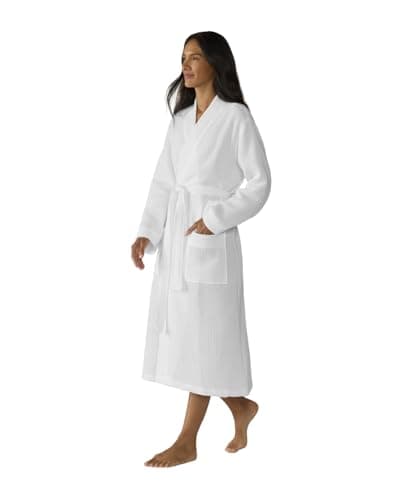
Top pick: Unisex Organic Waffle Robe
The only category on this site where nothing is installed, and the only one where the thing everybody shops for — softness — is the wrong thing to shop for.
The short version
Best bathroom gift for her
Five bathroom gifts for her ranked on published fiber, certification and wattage, with live prices and the one gift to avoid.
Top pick: Unisex Organic Waffle Robe
Best gift for a bath lover
Four gifts for bath lovers ranked on published specs, with live prices and the one that looks right but is not a present.
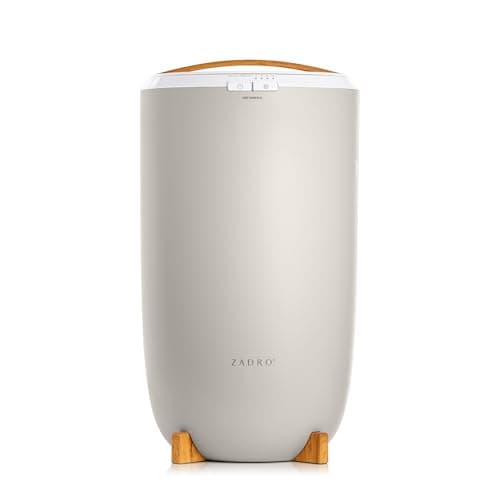
Top pick: Zadro 20-Liter Towel Warmer Bucket
Best bath towel
Bath towels ranked on published weight and weave, with drying speed treated as the headline number.
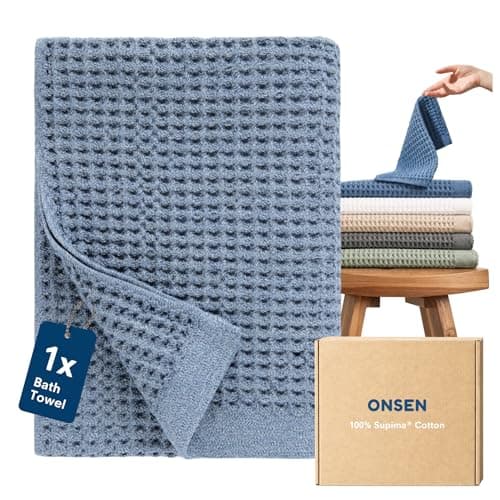
Top pick: ONSEN Supima Waffle Bath Towel
Best bath mat
Stone and cotton bath mats compared on published material, dimensions and care — plus the one we would not buy.
Top pick: Dorai Home Bath Stone Mat (Zen)
Head to head
The two towel weaves compared on structure, published weight, drying speed and feel.
Top pick: ONSEN Supima Waffle Bath Towel

How to
A full towel reset, then the four structural fixes in order of cost — softener, airflow, count, weight.
Top pick: ONSEN Supima Waffle Bath Towel

Plain English
What a liner does that a curtain does not, when you can skip one, and how to read an antimicrobial claim.
Top pick: ONSEN Antimicrobial Gauze Shower Curtain

Best shower curtain
Cotton shower curtains with published certifications, sizes and care — plus what the labels really certify.
Top pick: Organic Waffle Shower Curtain
Best organic towel
Organic towels ranked on published certification, GSM and sizes, with the plushness-versus-drying trade explained.
Top pick: Organic Resort Stripe Towels
Best waffle towel
Waffle-weave bath towels compared on published fiber, weight and size, with the care rule most people break.
Top pick: Waffle Towels

Head to head
Shower curtains and glass shower doors compared on cleaning, access, weight, installation and what a renter can change.
Top pick: Cursiva Sliding Shower Door, 5/16 in. Crystal Clear Glass
Head to head
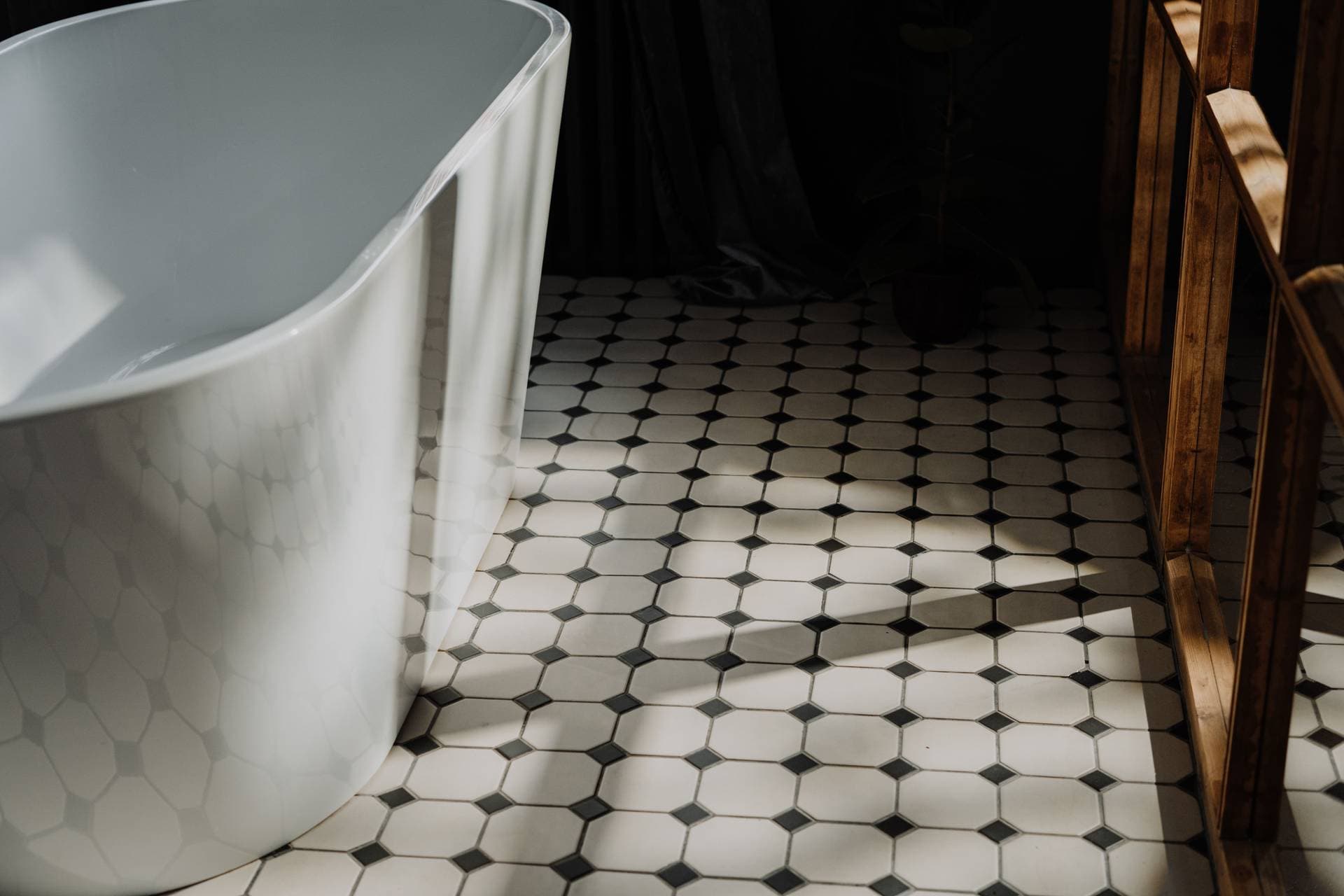
Bath mats and bath rugs compared on published size, weight, weave, slip backing and washing, with a pick for each job.
Top pick: Classic Tub Mat

Best bathrobe
Cotton bathrobes compared on published fiber, weave, length, sizes, pockets, certification and returns.
Top pick: Cloud Cotton Robe
Best shower liner
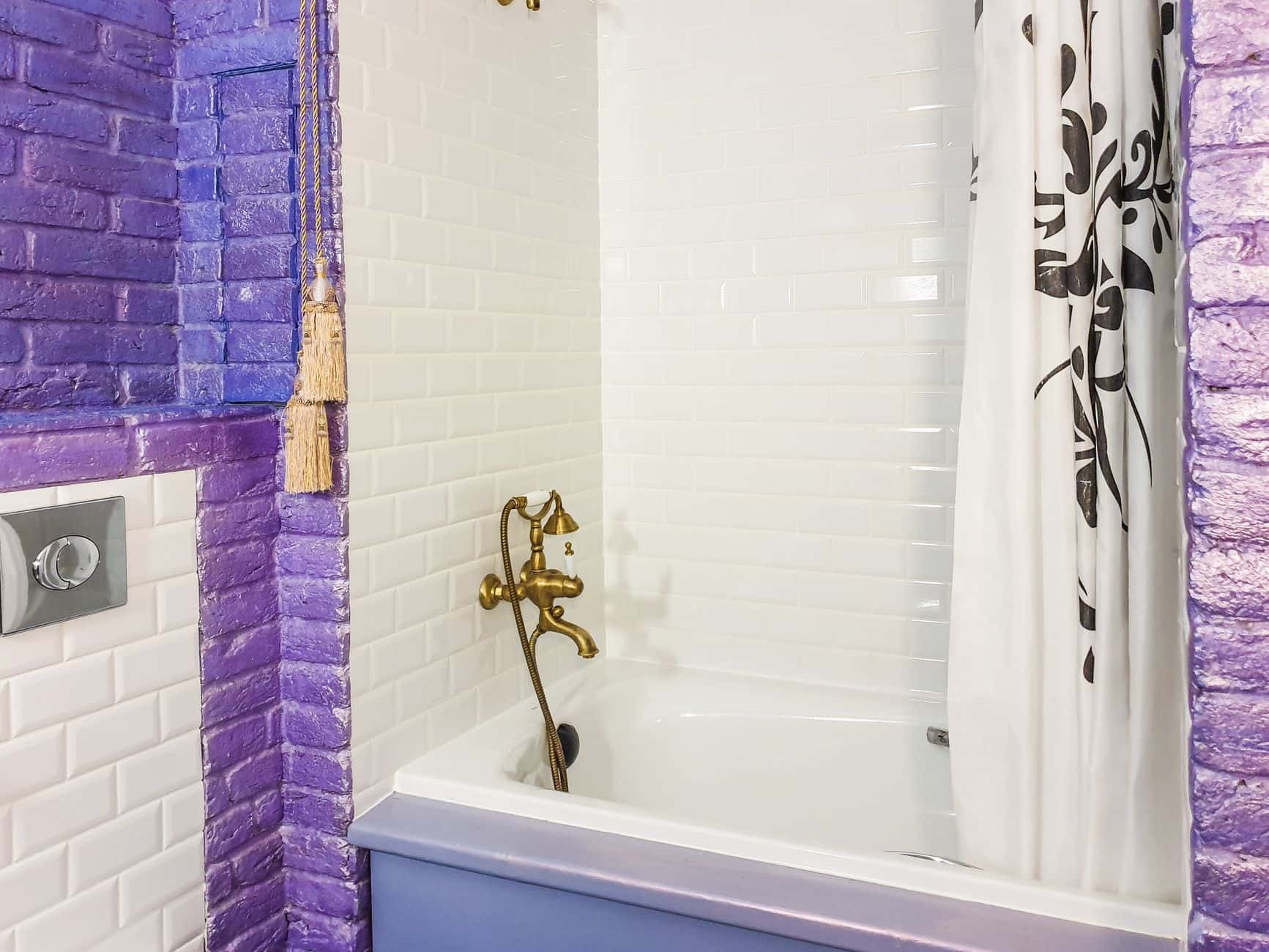
Shower liners compared on published gauge, material, mildew claims, sizes and whether they can go in the washing machine.
Top pick: Shower Curtain Liner

How to
Shower curtain and liner materials compared on published waterproofing, washability, certifications and cost of ownership.
Top pick: Organic Oasis Shower Curtain
Best non-slip tub mat
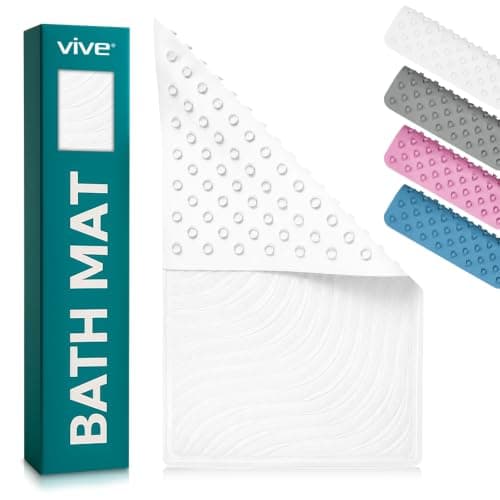
In-tub non-slip mats compared on published size, material, suction-cup counts, surface limits and care.
Top pick: 28 in. x 16 in. Bath Mat
Head to head
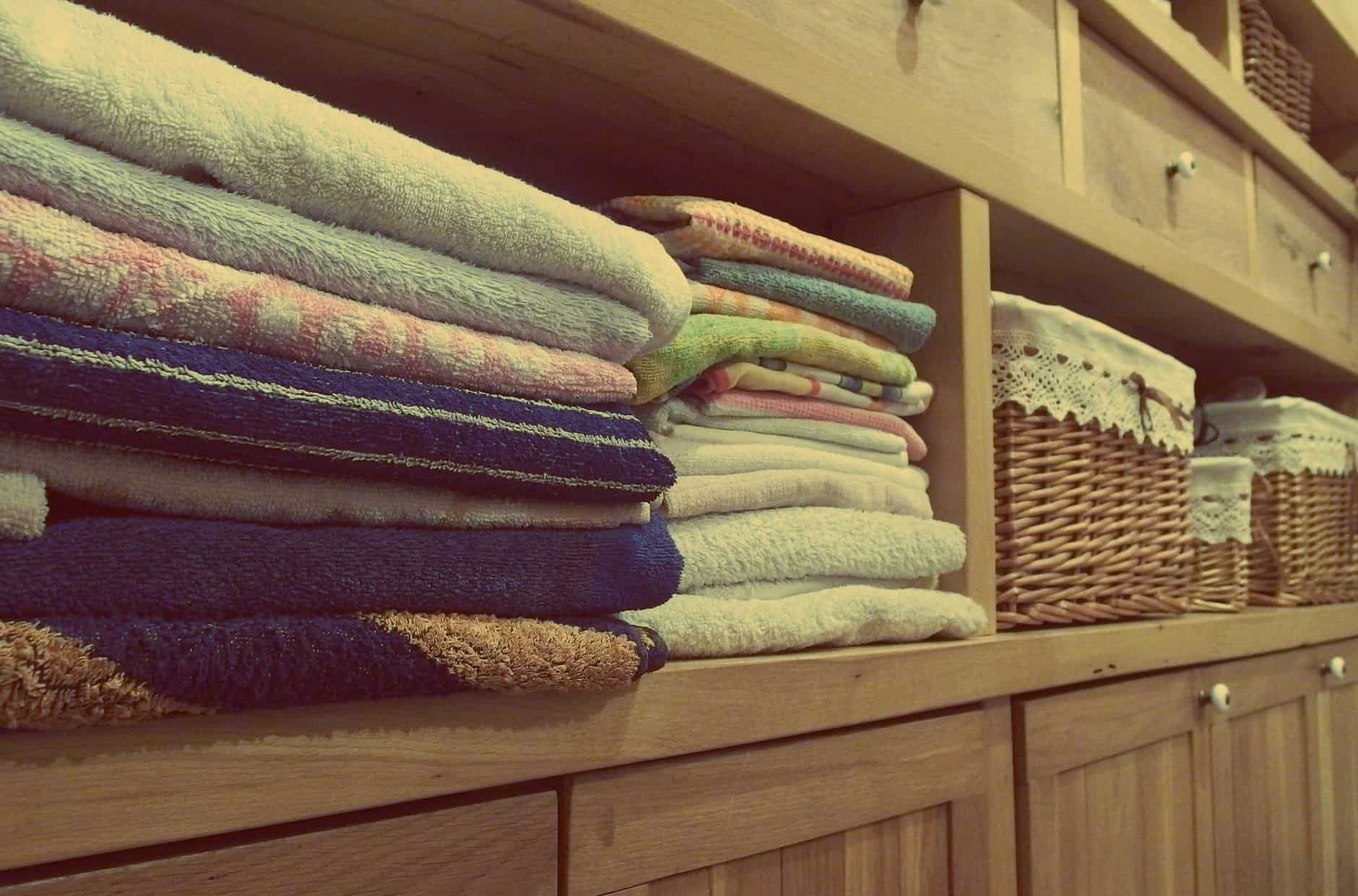
Bath sheets and bath towels compared on published dimensions and weight, with what the extra fabric costs you in drying and laundry.
Top pick: ONSEN Supima Waffle Bath Towel
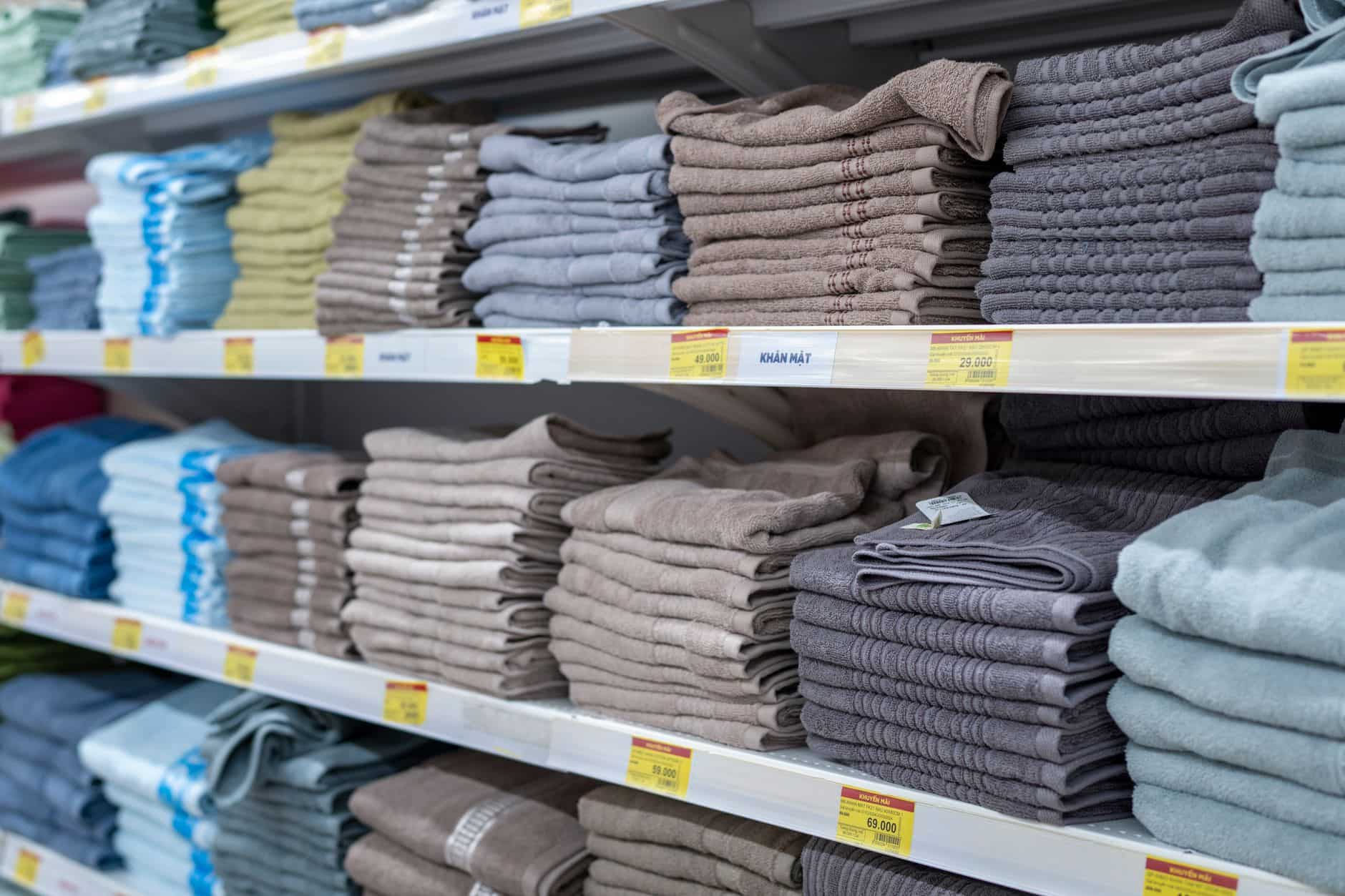
Plain English
GSM is grams per square meter. What the published 240 to 900 GSM range means in use, and the three things GSM cannot tell you.
Top pick: Waffle Towels
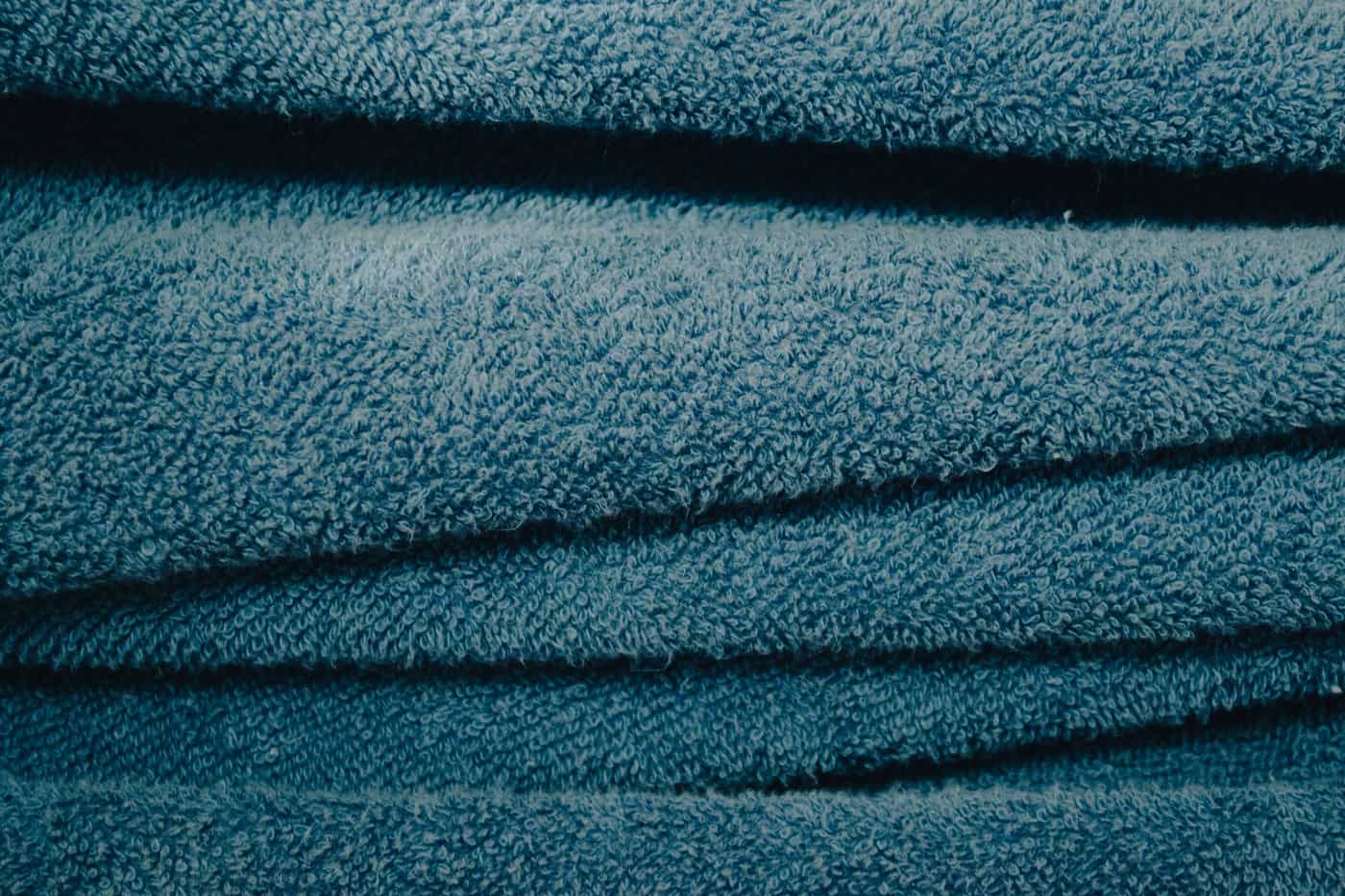
Plain English
OEKO-TEX STANDARD 100 tests every thread against 1,000+ harmful substances — and says nothing about organic farming. How it compares with GOTS.
Top pick: ONSEN Sculpted Terry Bath Towel
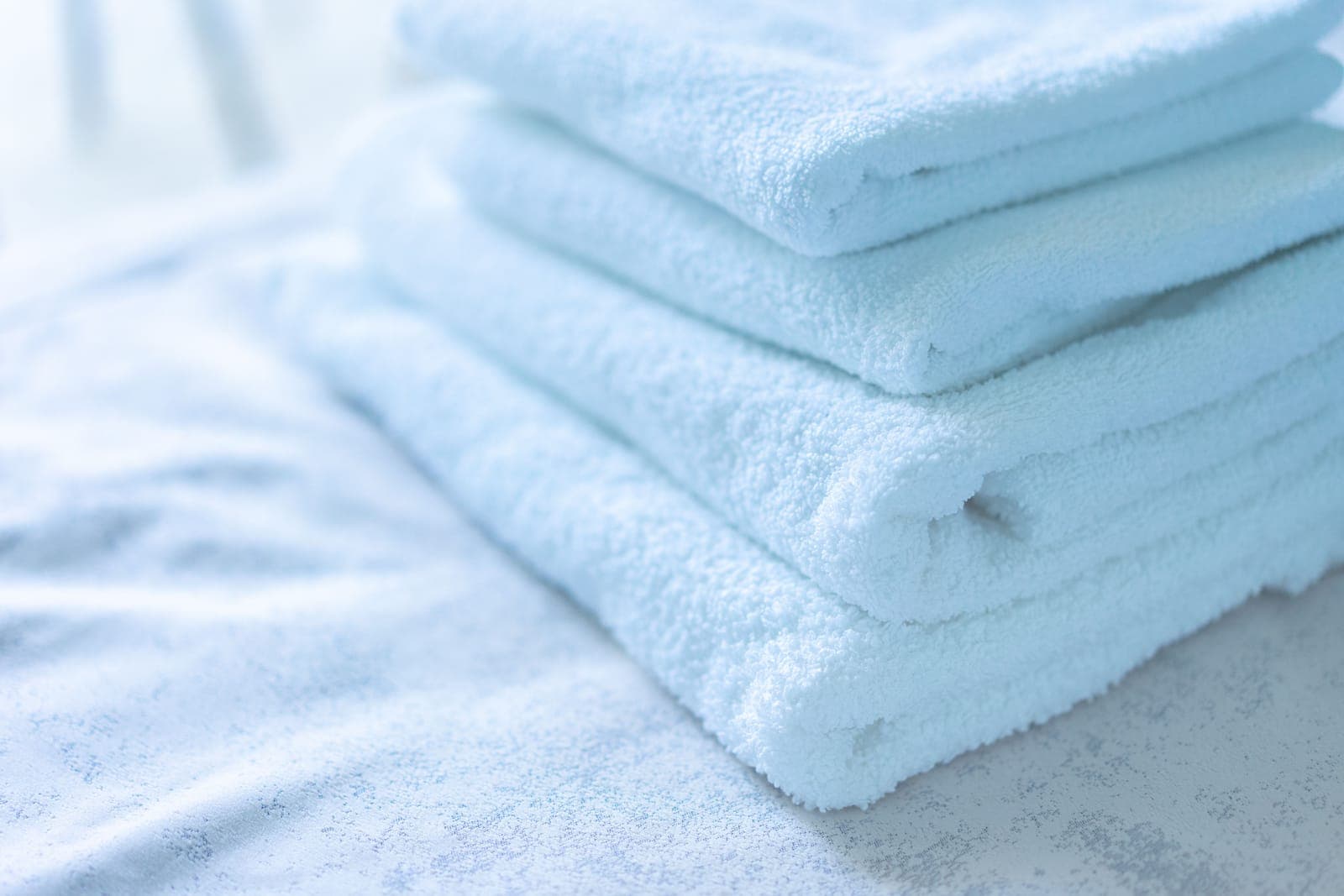
Head to head
A Supima waffle bath towel against a Turkish cotton one: published staple length, weight, size, certification and care.
Top pick: ONSEN Supima Waffle Bath Towel
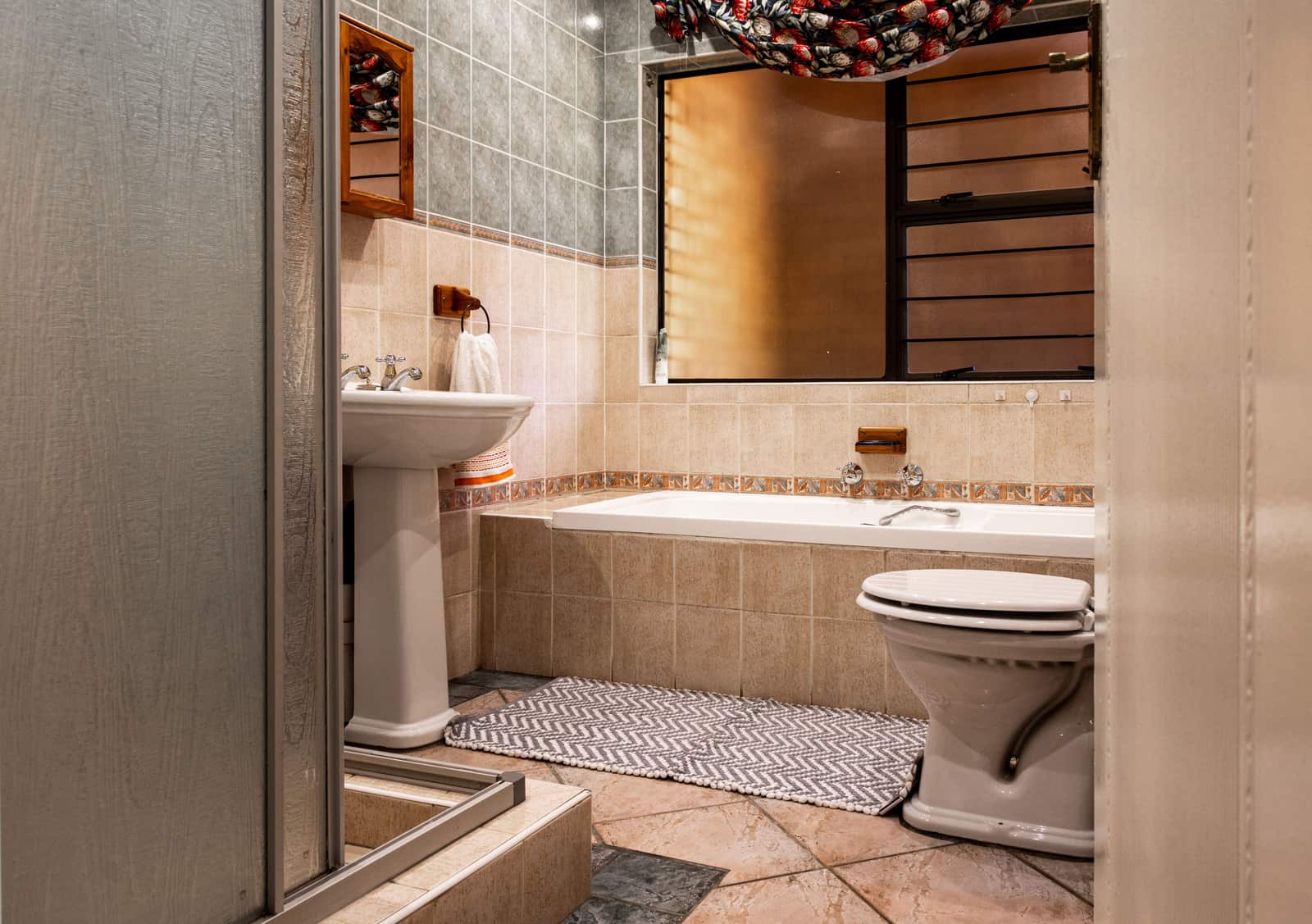
Head to head
A compressed diatomaceous earth mat against a cotton terry one: drying, washing, size, slip and price compared.
Top pick: Dorai Home Bath Stone Mat (Zen)
Worth it?
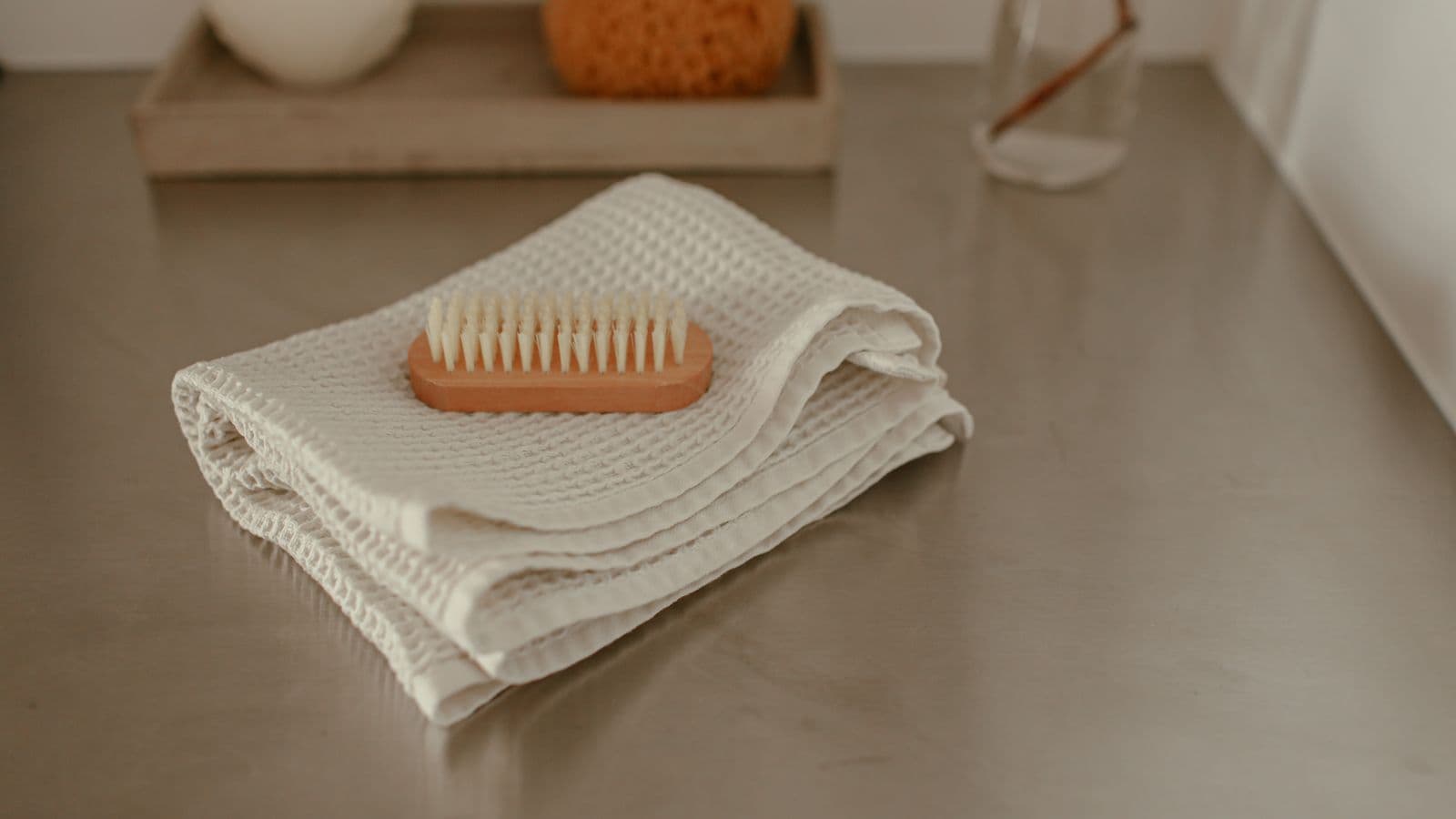
Whether waffle towels are worth buying, judged on published weights, fiber and the makers' own caveats about how they feel.
Top pick: ONSEN Supima Waffle Bath Towel
Best guest bathroom towel
Towels chosen for a guest bathroom on published weight, fiber and drying behavior, plus the size that looks generous and fails.
Top pick: ONSEN Sculpted Terry Bath Towel
Plain English
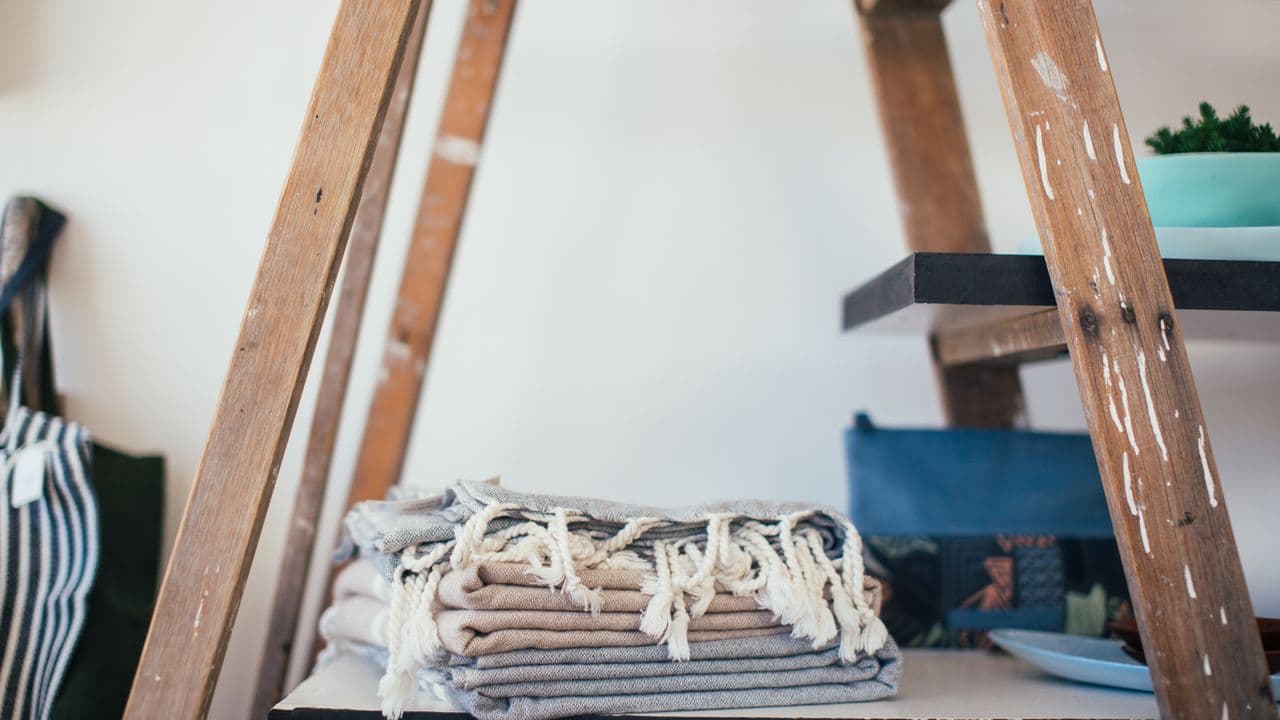
How many bath towels a household needs, worked from drying time and wash frequency, with the published figures behind each.
Top pick: ONSEN Sculpted Terry Bath Towel
Head to head
Terry against cotton gauze on published fiber, size, care and drying claims — and the figure neither side publishes.
Top pick: Handwoven 4-Layer Muslin Turkish Cotton Towel
How to
Choosing a bath mat for tile: drying behavior, the backing nobody publishes, grout, and sizing to the standing area.
Top pick: Dorai Home Bath Stone Mat (Zen)
Everything else on this site has an install rating because everything else attaches to something. A towel does not. There is no thread, no anchor, no outlet and no landlord conversation — you take it out of the packaging and use it.
That makes textiles the most renter-safe upgrade there is, and it is why they belong on a site about bathrooms you do not own. It also makes them the easiest thing to get wrong, because with no specification standing between you and the purchase, most people buy on feel in a shop and regret it at home.
Walk into any homeware shop and the sales pitch is thickness. Thicker is presented as better, more luxurious, more hotel. It is a proxy for quality that mostly measures how much water the towel will hold onto after you have finished with it.
In a bathroom with poor ventilation — which is most rented bathrooms — a towel that stays damp for eighteen hours is the source of the smell people blame on the room. It is not the room. It is the towel, and a lighter, more open weave fixes it.
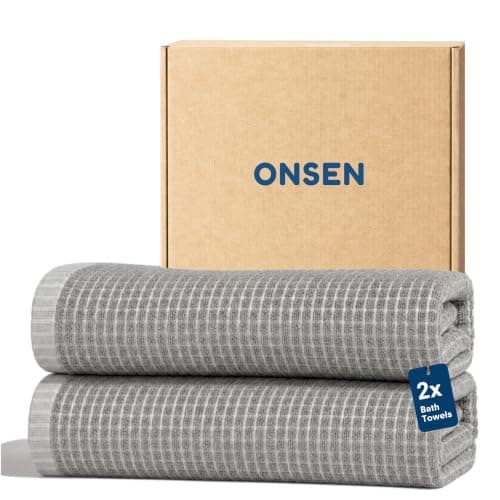
This is why we lead on published weight relative to size. ONSEN publishes 16.5 oz for a 31 x 57 in waffle bath towel and 22.2 oz for a 38 x 67 in bath sheet. Those are unusually specific numbers for this category and they are the reason ONSEN can be ranked against itself at all.
Bath textiles are the worst-documented category we cover, and that is saying something in a catalog that includes bidet seats with no published wattage.
GSM is almost never published. Grams per square meter is the standard measure of towel density and the single most useful number you could have. Not one of the products on this hub publishes it. Weight in ounces is the closest available substitute, and only some products give even that.
Fiber origin usually is. ONSEN publishes “100% USA-grown extra-long-staple Supima® cotton” on the waffle line and “100% Turkish-grown Aegean cotton” on the plush line. Long-staple cotton genuinely does matter for durability, and it is one of the few claims here that is checkable.
Certification is published more often than performance. OEKO-TEX STANDARD 100 tells you what is not in the fabric, which is worth knowing and is not the same thing as telling you how it performs. Read it as a floor, not a recommendation.
Where a maker publishes nothing, our tables say “Not published” rather than guessing. On this hub that row appears more often than anywhere else on the site, and one product is the skip pick specifically because of how little its own maker will state.
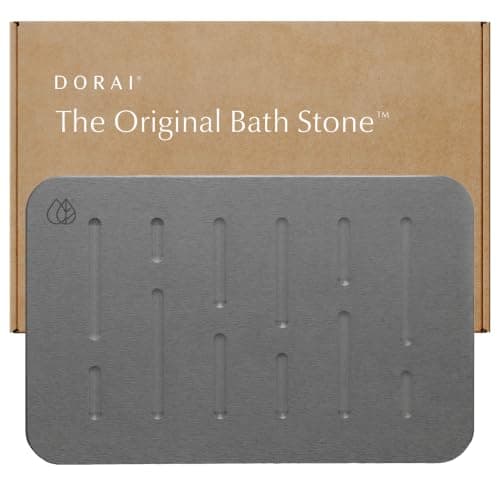
The most interesting thing to happen to bath mats is that some of them stopped being fabric. Dorai Home publishes “compressed diatomaceous earth and paper” — a porous stone panel that wicks water off your feet and evaporates it rather than holding it.
The trade is real and worth understanding before you buy. A stone mat never goes in the washing machine; it is cleaned with soap and a sponge, and stains are sanded out with medium-grit paper. It is also a rigid object rather than something you can throw over the side of the bath.
What it solves is the specific problem of a fabric mat that never dries out between two people showering in the morning. If that is your problem, nothing else on this hub touches it. The comparison is here.
A shower curtain has one job and a liner has a different one. The curtain is the fabric you see; the liner is the waterproof layer that keeps water in the tub. Whether you need both depends entirely on what the curtain is made of, and makers are inconsistent about saying so.
Antimicrobial finishes are common and frequently misread. ONSEN publishes the full claim rather than the marketing half of it: the finish “helps protect the fabric from odor-causing bacteria” and expressly “does not protect users against bacteria or other disease organisms”. That second sentence is the honest part, and we quote it every time we mention the product.
Same method as everywhere else on Rinse & Rail: we have tested none of it. Every figure on every page comes from the manufacturer’s own product page, quoted and linked. Where they publish nothing, we say so rather than filling the gap.
Every roundup carries exactly one product we recommend against, and that pick never carries a buy button. On this hub it is the product whose maker publishes the least — which, in a category this poorly documented, is the most useful thing a ranking can tell you.
Nobody on this hub publishes GSM at all, which is the honest answer. Published weight against published size is the usable substitute: 16.5 oz over 31 x 57 in is a deliberately light, fast-drying towel, and heavier per square inch means slower drying.
Because they never fully dry. A heavy towel in an unventilated bathroom can still be damp when you next use it, and the smell is bacterial growth in that damp. A lighter weave, more space on the rail, or a heated rail all fix it.
They dry faster and take up less space; terry feels plusher against the skin and hides water spots better. Neither is better in general, and the published weights make the difference concrete rather than a matter of taste.
Dorai publishes diatomaceous earth panels that evaporate water rather than holding it, and that does address the never-dries problem a fabric mat has. The trade is that it cannot go in the washing machine and is cleaned with soap, a sponge and occasionally sandpaper.